Family Ramphastidae
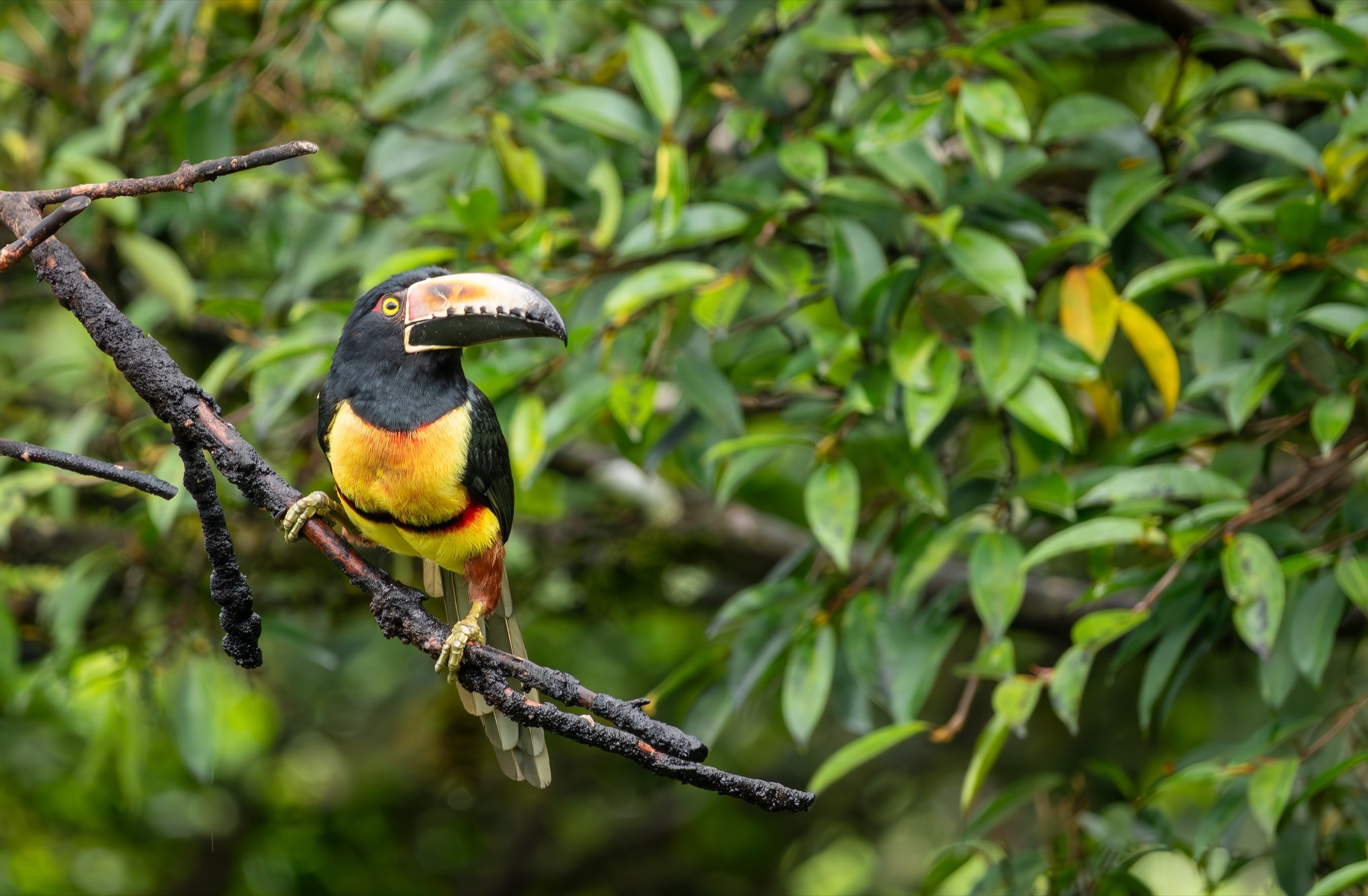
Collared Aracari
Pteroglossus torquatus
In Spanish: Tucancillo Collarejo (Cusingo, Tití, Félix)
- Resident
Rancho Naturalista's morning feeders, Carara, and the canopy at Rincón de la Vieja. All year.
At Rancho Naturalista, above Turrialba, it comes in to the morning feeders. An aracari is one of the toucan family, smaller than the Keel-billed Toucan, and this is the aracari of the Caribbean side and the north Pacific.
It seldom travels alone. Groups of six to fifteen move through the trees together, and at night up to seven of them pack into one tree hole to sleep. At Carara, where the dry forest meets the wet, its Pacific cousin, the Fiery-billed Aracari, shares the same trees.
Where to see it
- Hotspot page
- Named place
- Nearby lodge (numbers match the cards)
- Rancho Naturalista's reserve, above Turrialbaat the morning feeders, with the Gray-headed Chachalaca, Rufous Motmot and Red-headed Barbet.
- Carara National Parkin the park with the Scarlet Macaw, and the Fiery-billed Aracari where the two forests meet.Not on the map above: it sits too far away to show at this zoom.
- Rincón de la Vieja National Parkin the canopy, one of the two birds our park notes name here, with the Great Curassow.Not on the map above: it sits too far away to show at this zoom.
Nearby lodges
Within 20 km of a place on the map, in the same zone.
- 1
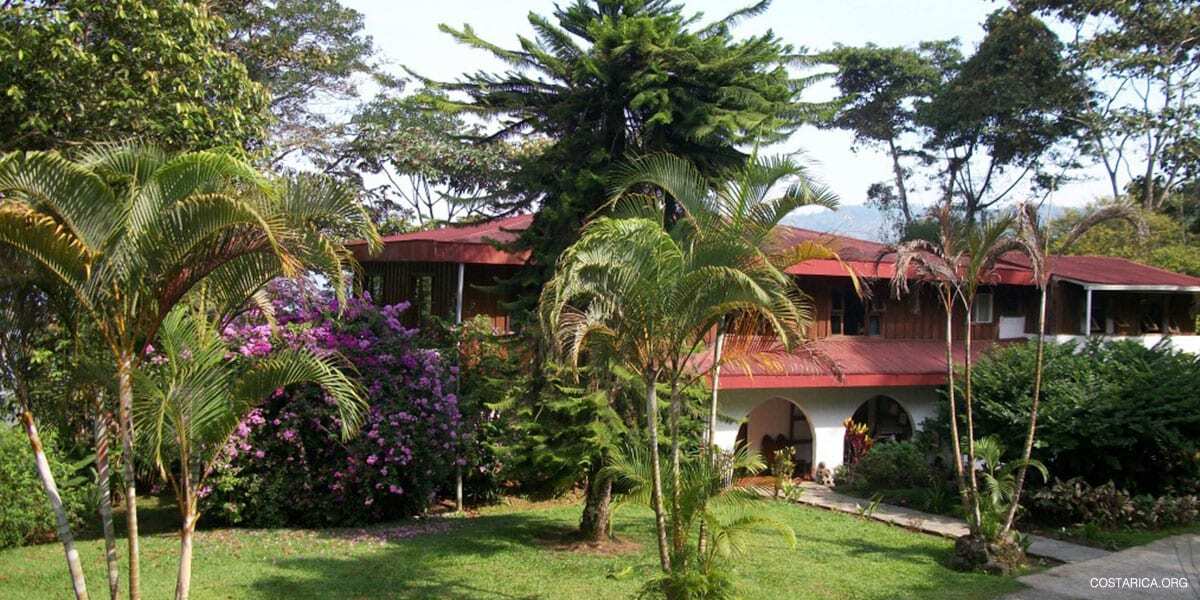 Rancho Naturalista0.2 km from Rancho Naturalista's reserve, above TurrialbaSee the lodge
- 2Photo comingSanta Lucía Jungle Hacienda, Autograph Collection2.7 km from Carara National Park (off the map)See the lodge
- 3
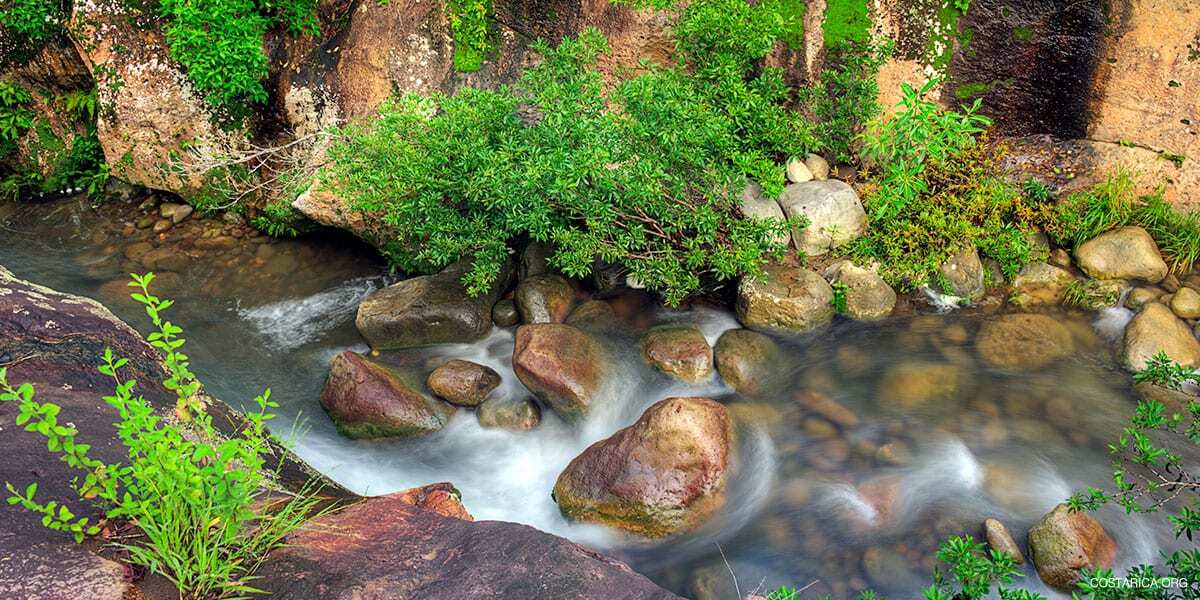 Hacienda Guachipelin4.0 km from Rincón de la Vieja National Park (off the map)See the lodge
- 4
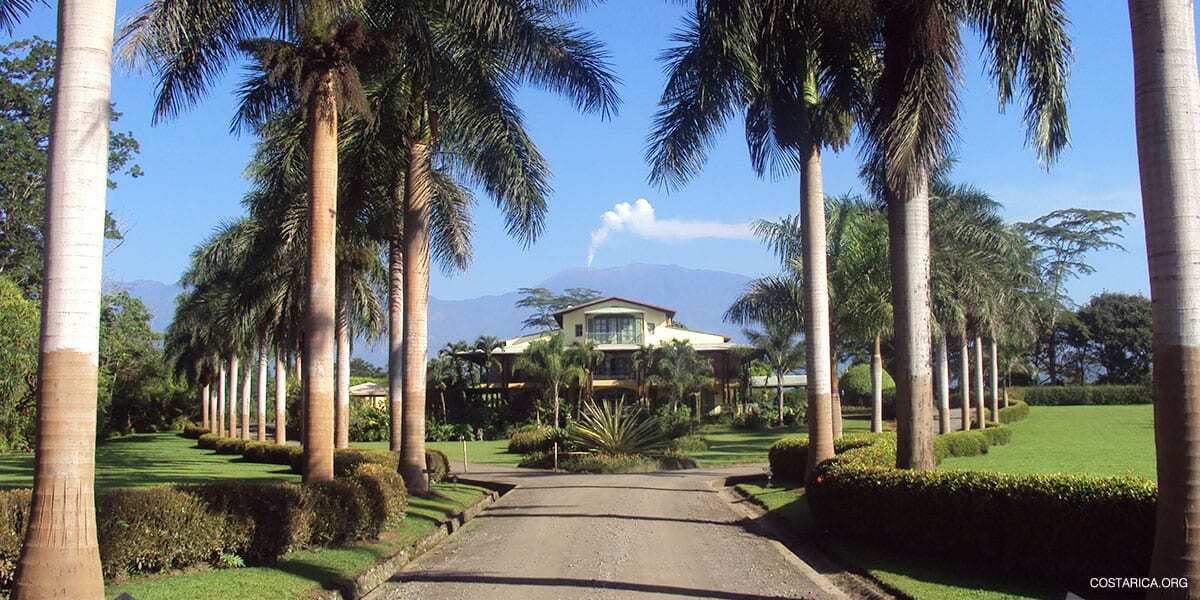 Hotel Casa Turire9.6 km from Rancho Naturalista's reserve, above TurrialbaSee the lodge
- 5
 Cerro Lodge3.1 km from Carara National Park (off the map)See the lodge
How to recognise it
About 38 to 41 cm, a good bit longer than a 30 cm school ruler. Glossy black above, with a narrow cinnamon-rufous collar, a reddish-brown band, at the back of the neck, and a bright red lower back and rump, the patch just above the tail. Below, look for a black spot in the middle of a red-washed breast and a narrow red and black band across the upper belly. Those two marks settle it. Male and female share the same colours, but her bill is shorter. If the upper bill is mostly red, it is the Fiery-billed instead. The call is high, sharp and squeaky: seek, pseek, or a two-part pi-cheet.
Where it lives
The interior and edges of evergreen primary forest and mature secondary forest, and also coffee, cacao and fruit plantations, from sea level to about 1,000 m.
When to see it
All year.
Trips that find it
- Best of Birding in Costa Rica9 to 10 nightsSee the trip
- Dancing with Quetzals11 nightsSee the trip
- Birding in Costa Rica's Eco-Zones11 nightsSee the trip
- Best of Birding in Costa Rica's Caribbean9 nightsSee the trip
- Caribbean Lowlands Birding Tour11 nightsSee the trip
- The Southern Highlands and Pacific9 nightsSee the trip
- Costa Rica's Top Birding Spots11 nightsSee the trip
Tell us when you are travelling and our team in Costa Rica builds the trip around the birds you want to see.
Plan my birding tripHow we know this 2 sources, each read on the date shown
- Wikipedia: Collared aracari read 4 November 2026
https://en.wikipedia.org/wiki/Collared_aracari - Wikipedia: Fiery-billed aracari read 4 November 2026
https://en.wikipedia.org/wiki/Fiery-billed_aracari