
Family Ptiliogonatidae
Long-tailed Silky-flycatcher
Ptiliogonys caudatus
In Spanish: Capulinero Colilargo (Pitorreal, Timbre, Coronel)
- Resident
- Regional endemic
The oaks of San Gerardo de Dota and the ridge above it, catching insects in mid-air. All year.
In the oaks of San Gerardo de Dota, a slim grey and yellow bird sits at the top of a tree, darts out, snaps an insect out of the air and swings back to its perch. It often catches several on one trip out. That is the Long-tailed Silky-flycatcher.
It is a regional endemic, which means it lives only in this small corner of the world: the high mountains of central Costa Rica and the Talamanca range running south into western Panama. Our own San Gerardo de Dota pages name it among the valley's endemic birds.
Where to see it
- Hotspot page
- Named place
- Nearby lodge (numbers match the cards)
- San Gerardo de Dota and the Savegre valleyin the oaks and along the river, with the Collared Redstart and the Flame-throated Warbler.
- Cerro de la Muerte and the km 70 lookoutsone of the six regional endemics of the ridge.
Nearby lodges
Within 20 km of a place on the map, in the same zone.
- 1
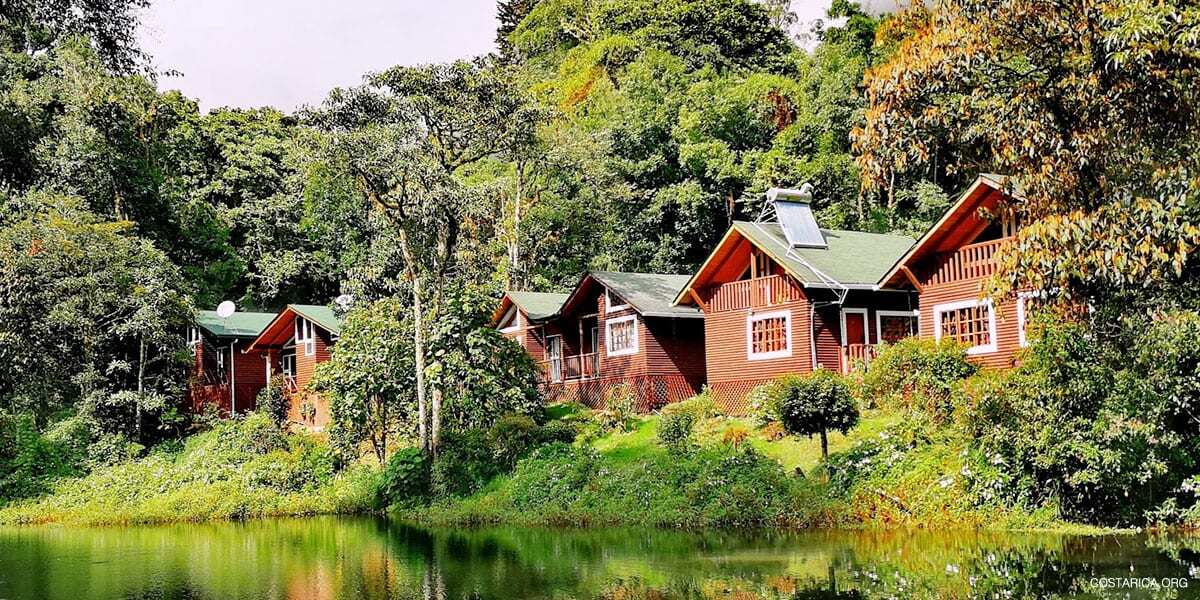 Savegre Lodge0.9 km from San Gerardo de DotaSee the lodge
- 2Photo comingParaíso Quetzal Lodge0.1 km from Cerro de la MuerteSee the lodge
- 3
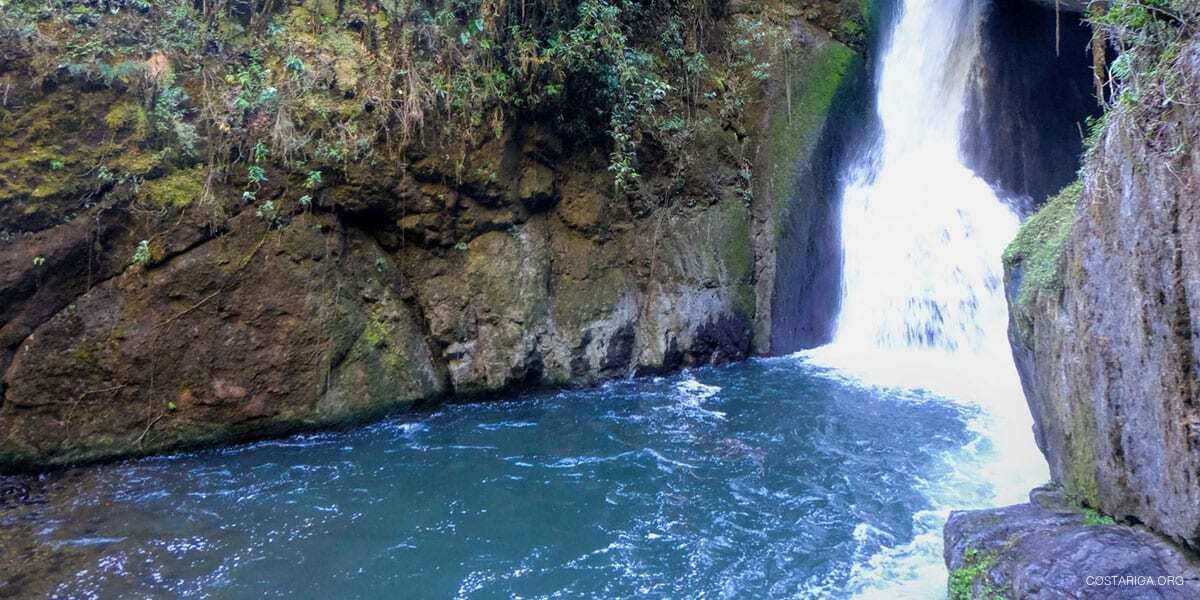 Hotel Suria1.6 km from San Gerardo de DotaSee the lodge
- 4
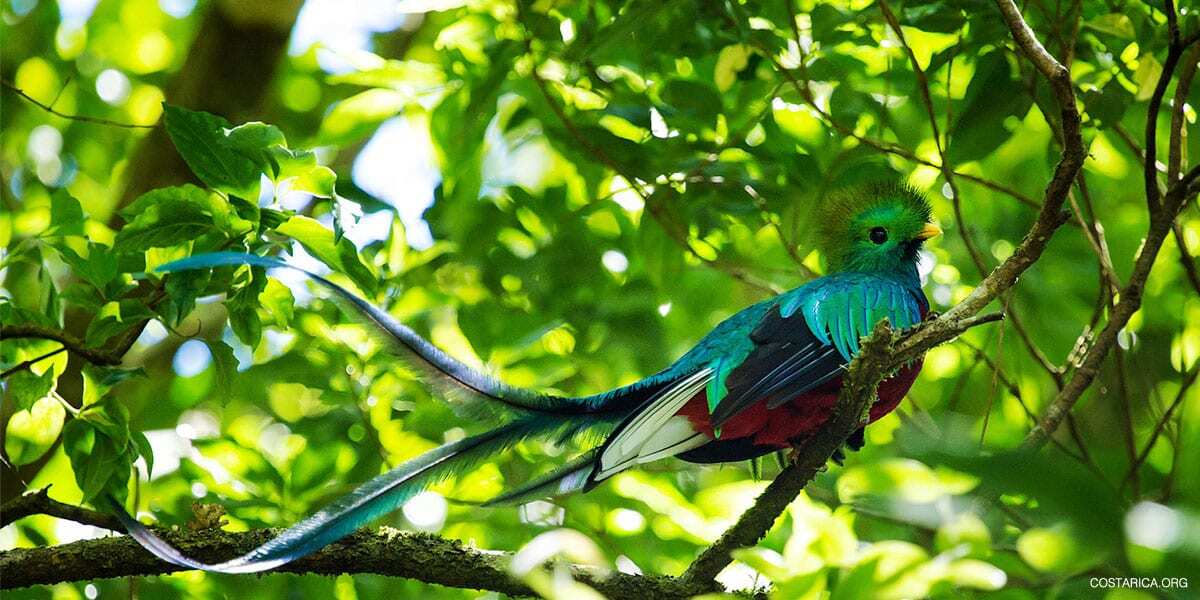 Mirador de Quetzales1.2 km from Cerro de la MuerteSee the lodge
- 5
 Trogon Lodge2.1 km from San Gerardo de DotaSee the lodge
How to recognise it
About 20 to 24 cm, a little longer than a new pencil, and much of that is tail. It is slender, with a crest on its head.
The mark that settles it is the long black tail with its two middle feathers sticking out past the rest. Then the supporting marks on the male: a grey crown, a thin yellow ring round the eye, a yellowish olive-green face and crest, a bluish grey back and bright yellow under the tail. The female is duller and her tail a little shorter.
Listen for a dry, sharp che chip, che chip. One source likens a flock calling to loose pebbles rattled in a box.
Where it lives
Fairly open country high in the mountains: the edges of old and regrown forest, pastures with scattered trees, and gardens. It lives in the Cordillera Central and in the Talamanca range, and it is not found in the deep river valleys between them. It lives from about 1,800 to 3,000 metres, so the San Gerardo valley and the ridge at km 70 are both inside its range.
When to see it
All year: it does not migrate. Outside the nesting season it wanders more widely, sometimes lower than usual. It nests between April and June.
Trips that find it
- Best of Birding in Costa Rica9 to 10 nightsSee the trip
- Dancing with Quetzals11 nightsSee the trip
- Birding in Costa Rica's Eco-Zones11 nightsSee the trip
- Nature Birding TourSee the trip
- The Southern Highlands and Pacific9 nightsSee the trip
Tell us when you are travelling and our team in Costa Rica builds the trip around the birds you want to see.
Plan my birding tripHow we know this 1 sources, each read on the date shown
- Wikipedia: Long-tailed silky-flycatcher read 3 November 2026
https://en.wikipedia.org/wiki/Long-tailed_silky-flycatcher