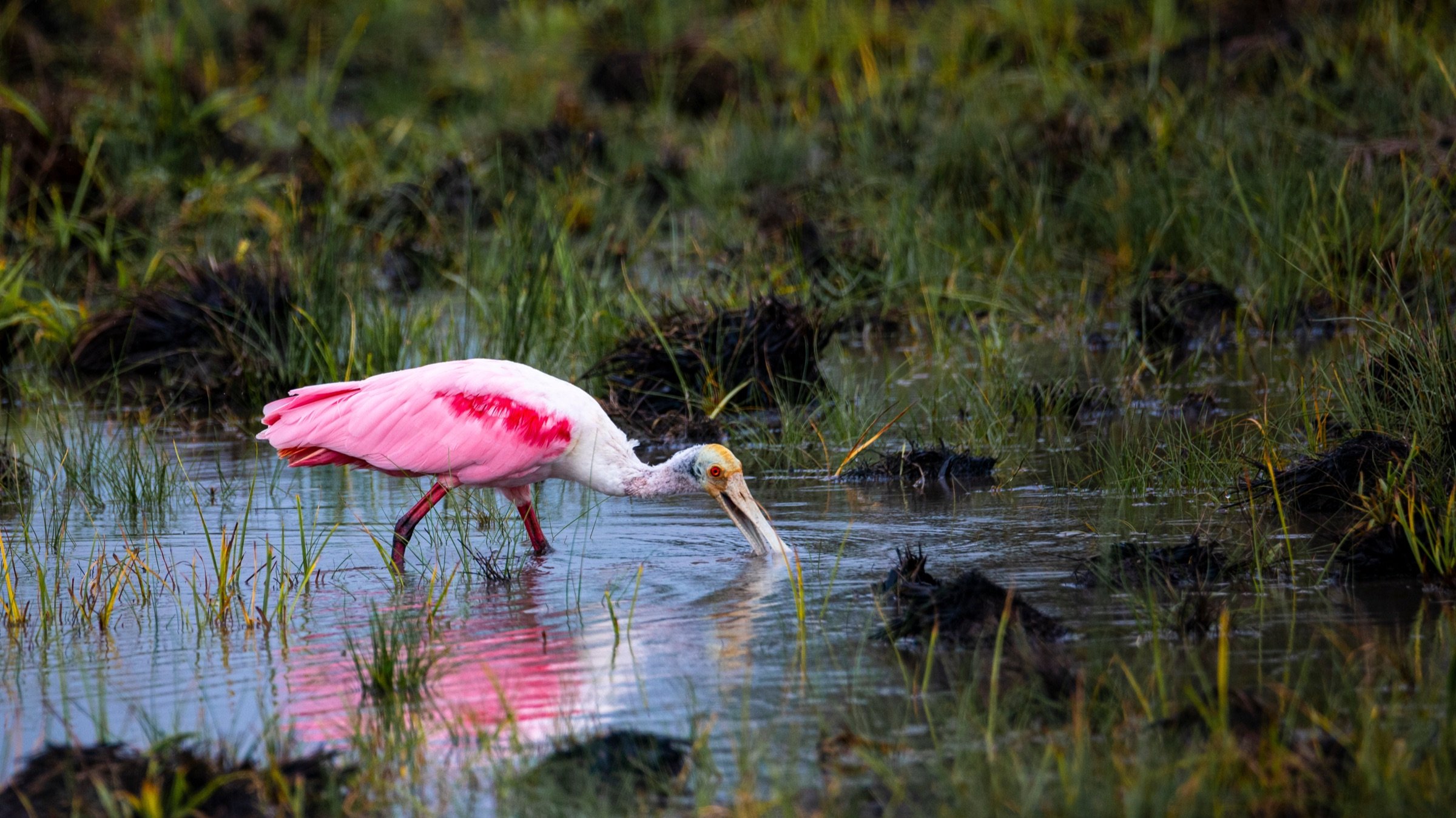
Family Threskiornithidae
Roseate Spoonbill
Platalea ajaja
In Spanish: Espátula Rosada (Garza Morena o Rosada, Pato Cuchara o Rosado)
- Resident
From the boat on the Tempisque, at Caño Negro and on the Tortuguero canals. All year.
Watch the bill before the pink. It is long and flat with a spoon at the end, and the bird swings it from side to side through shallow water as it walks.
We look for it from boats: on the Tempisque at Palo Verde, where it is one of the big water birds; at Caño Negro, one of the four the boat trip is known for; and on the Tortuguero canals, among the other water birds.
Where to see it
- Hotspot page
- Named place
- Nearby lodge (numbers match the cards)
- Palo Verde National Park and the Tempisque Riverfrom the boat, one of the big birds of the Tempisque, with the Jabiru and the Wood Stork.
- Caño Negro Wildlife Refuge and the Río Fríofrom the boat, one of the four water birds the zone is known for here, with the Northern Jacana and the Anhinga.Not on the map above: it sits too far away to show at this zoom.
- Tortuguero National Park and its canalson the canals, among the water birds.Not on the map above: it sits too far away to show at this zoom.
Nearby lodges
Within 20 km of a place on the map, in the same zone.
- 1
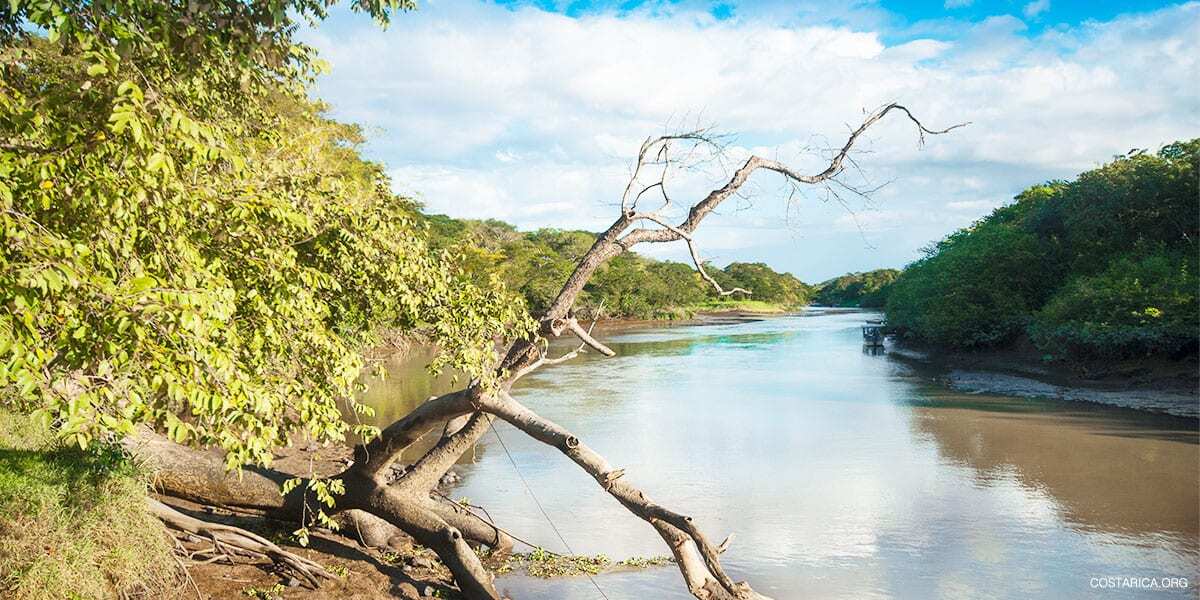 Rancho Humo Estancia5.9 km from Palo Verde National ParkSee the lodge
- 2
 Caño Negro Natural Lodge1.7 km from Caño Negro Wildlife Refuge (off the map)See the lodge
- 3
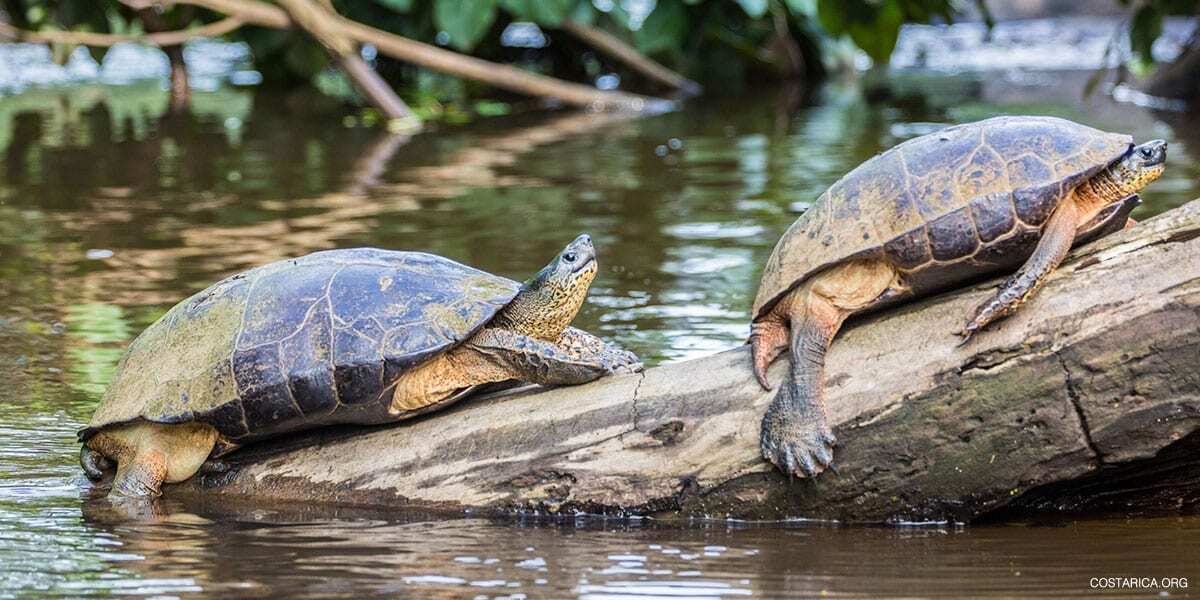 Pachira Lodge0.0 km from Tortuguero National Park (off the map)See the lodge
- 4
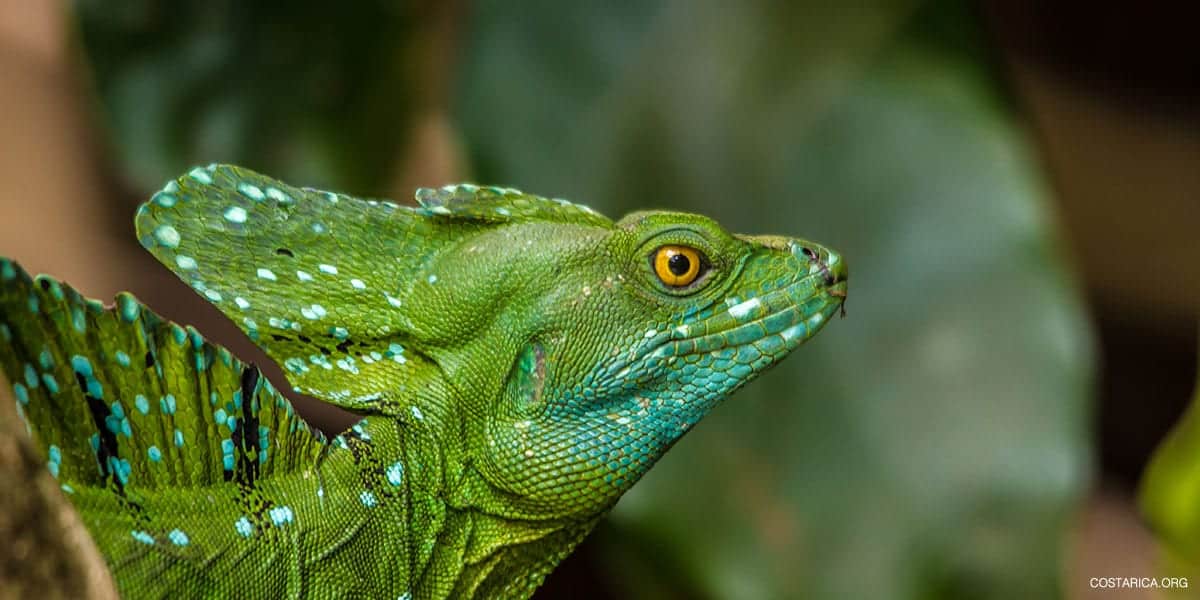 Laguna Lodge0.0 km from Tortuguero National Park (off the map)See the lodge
- 5
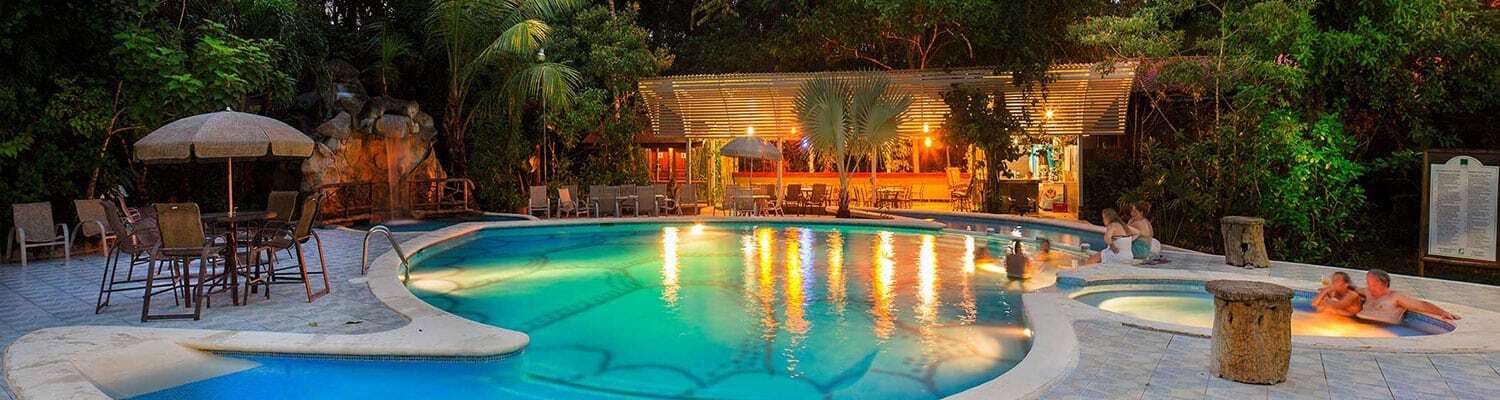 Evergreen Lodge1.1 km from Tortuguero National Park (off the map)See the lodge
How to recognise it
About 71 to 86 cm long, with wings 120 to 133 cm across. Mostly a deep pink, with a white neck, back and breast, and a bare greenish head that turns golden buff when breeding. The grey bill, flattened into a spoon at the tip, settles it. Male and female look alike. In flight, check the neck: unlike the herons, it flies with the neck stretched straight out. Egrets often follow a feeding spoonbill to catch what it stirs up.
Where it lives
Shallow water, fresh or coastal. It nests in shrubs or trees, often in mangroves. Our pages place it on three waters: the Tempisque River at Palo Verde in the Northern Pacific lowlands, the Río Frío wetland of Caño Negro near the Nicaraguan border, and the canals of Tortuguero on the Caribbean side.
When to see it
All year, as a resident. At Palo Verde the dry season, December to April, gives the easiest birding; Caño Negro is at its best with high water, April to November.
Trips that find it
- Best of Birding in Costa Rica's Caribbean9 nightsSee the trip
- Caribbean Lowlands Birding Tour11 nightsSee the trip
- Costa Rica Classic Birding, All Inclusive8 nightsSee the trip
- Dancing with Quetzals11 nightsSee the trip
- Birding in Costa Rica's Nicoya Peninsula11 nightsSee the trip
- Birding in Costa Rica's Northern Zone11 nightsSee the trip
- Costa Rica's Top Birding Spots11 nightsSee the trip
- Birding in Costa Rica's Top Three Destinations9 nightsSee the trip
Tell us when you are travelling and our team in Costa Rica builds the trip around the birds you want to see.
Plan my birding tripHow we know this 1 sources, each read on the date shown
- Wikipedia: Roseate spoonbill read 4 November 2026
https://en.wikipedia.org/wiki/Roseate_spoonbill