Family Trogonidae
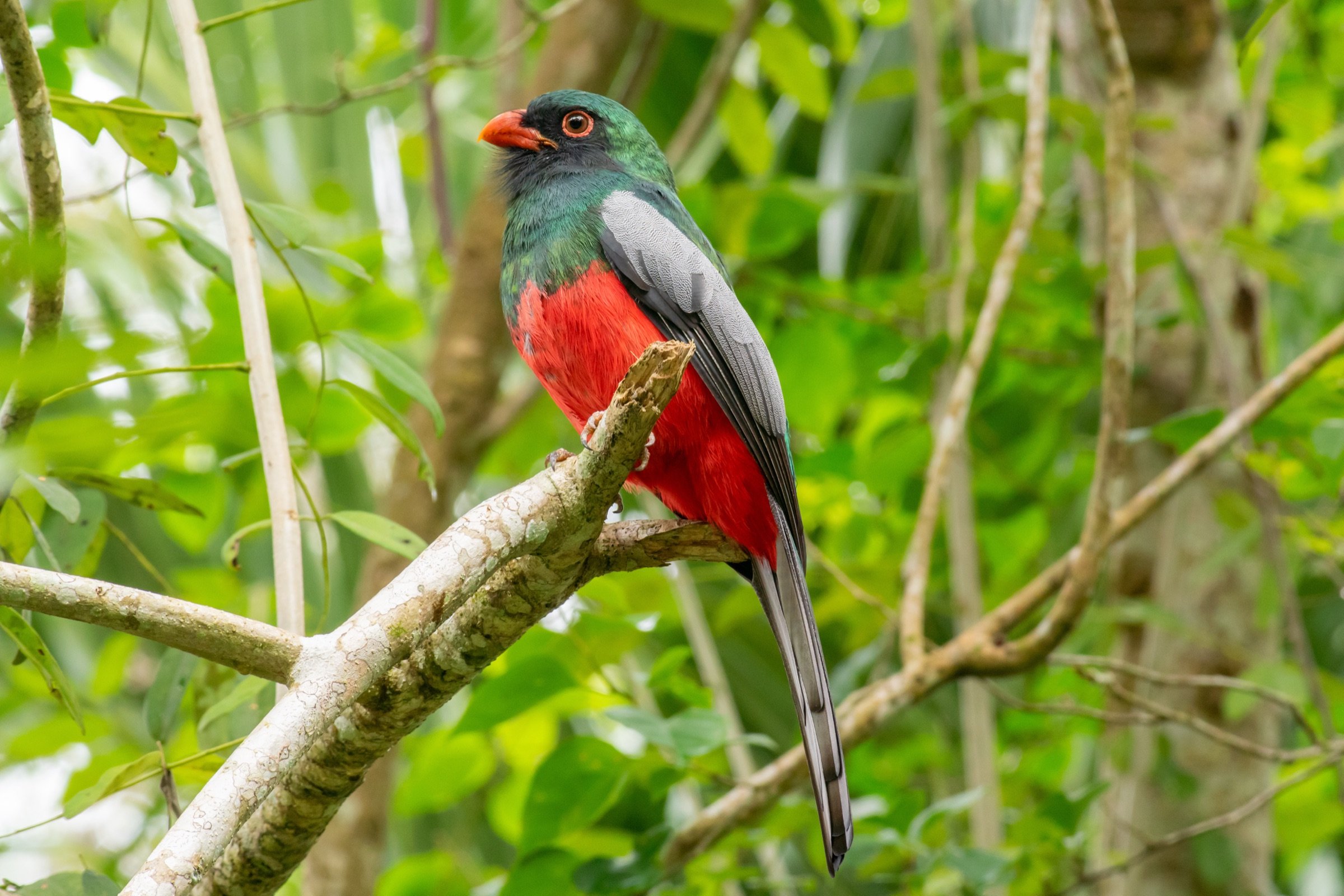
Slaty-tailed Trogon
Trogon massena
In Spanish: Trogón Coliplomizo (Caicota)
- Resident
Evergreen forest on the Caribbean and Pacific slopes, up to about 1,200 m. All year.
If a troop of white-faced capuchin monkeys is moving through the trees, look just behind it. This trogon often follows them and takes the insects they flush.
A big trogon, with a red belly and an orange-red bill. To be sure of it, look under the tail.
Where to see it
- Hotspot page
- Named place
- Nearby lodge (numbers match the cards)
- La Selva Biological Station, Sarapiquí
- Carara National ParkNot on the map above: it sits too far away to show at this zoom.
- The Mistico hanging bridges at ArenalNot on the map above: it sits too far away to show at this zoom.
Nearby lodges
Within 20 km of a place on the map, in the same zone.
- 1
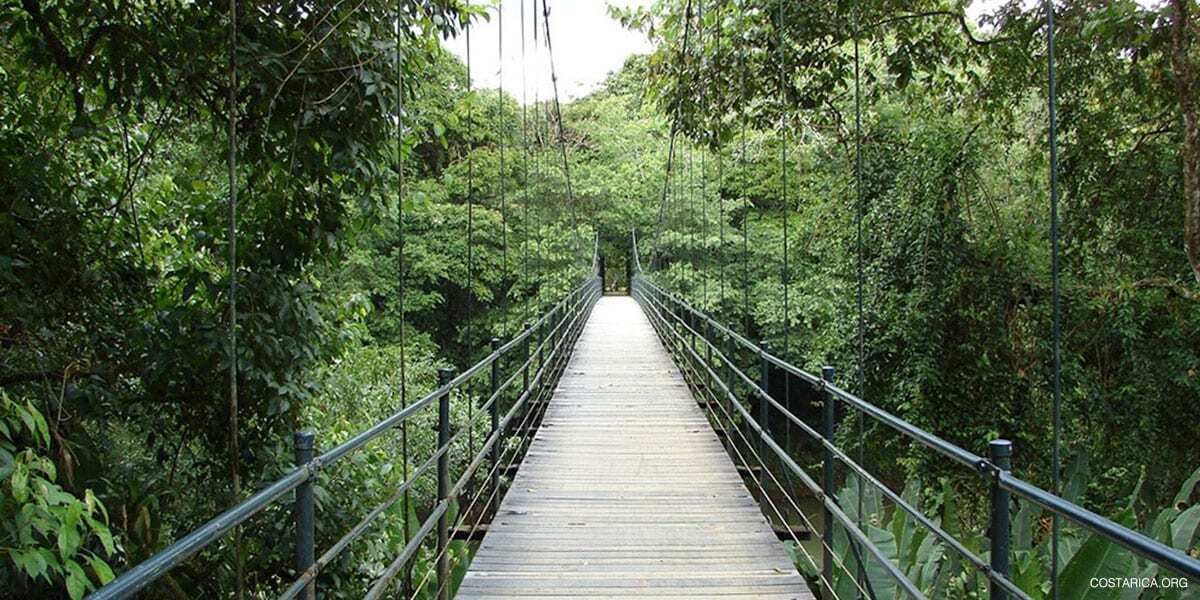 La Selva Biological Station2.2 km from La Selva Biological Station, SarapiquíSee the lodge
- 2Photo comingSanta Lucía Jungle Hacienda, Autograph Collection2.7 km from Carara National Park (off the map)See the lodge
- 3
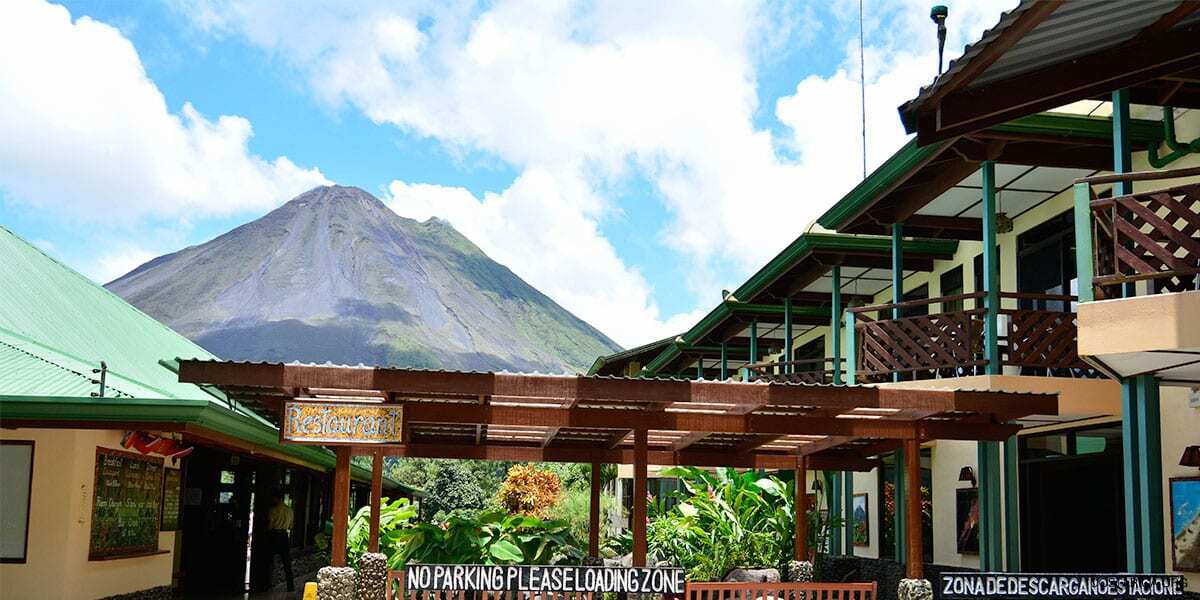 Arenal Observatory Lodge7.8 km from The Mistico hanging bridges at Arenal (off the map)See the lodge
- 4
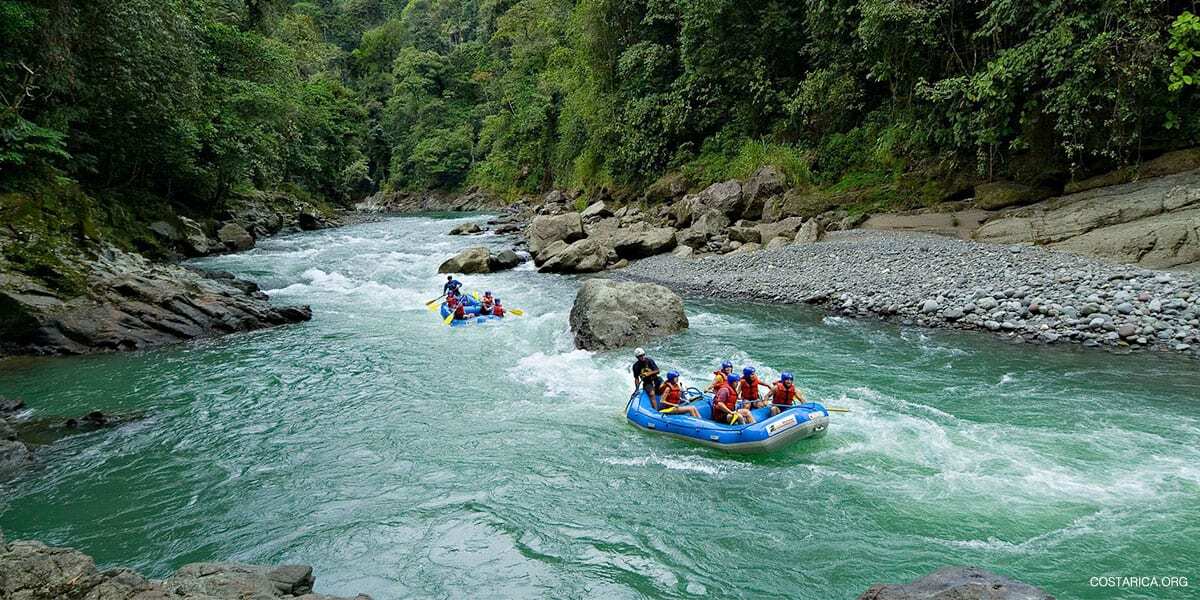 Selva Verde Lodge7.5 km from La Selva Biological Station, SarapiquíSee the lodge
- 5
 Cerro Lodge3.1 km from Carara National Park (off the map)See the lodge
How to recognise it
About 30 to 35.5 cm, roughly the length of a school ruler or a little more, and the biggest trogon on these pages after the quetzal. The male has an orange-red bill, a dull black face and throat, and a red to orange ring around the eye. His breast is metallic green; the belly and vent, the feathers under the base of the tail, are deep red. The female swaps most of that green for grey. The mark that settles it is the underside of the tail, plain slate grey with black tips. The Collared Trogon, also red-bellied, is barred black and white there. Listen for a steady, deliberate series of cow notes, or a deep wuk, wuk, wuk.
Where it lives
The middle storey up to the canopy of tropical evergreen forest and mature secondary forest. The Costa Rican subspecies is found on both the Caribbean and the Pacific slopes, and locally as high as about 1,200 m.
When to see it
All year.
Trips that find it
- Best of Birding in Costa Rica9 to 10 nightsSee the trip
- Dancing with Quetzals11 nightsSee the trip
- Birding in Costa Rica's Eco-Zones11 nightsSee the trip
- Birding in Costa Rica's Nicoya Peninsula11 nightsSee the trip
- Birding in Costa Rica's Northern Zone11 nightsSee the trip
- The Southern Highlands and Pacific9 nightsSee the trip
- Costa Rica's Top Birding Spots11 nightsSee the trip
Tell us when you are travelling and our team in Costa Rica builds the trip around the birds you want to see.
Plan my birding tripHow we know this 2 sources, each read on the date shown
- Wikipedia: Slaty-tailed trogon read 4 November 2026
https://en.wikipedia.org/wiki/Slaty-tailed_trogon - Wikipedia: Collared trogon read 4 November 2026
https://en.wikipedia.org/wiki/Collared_trogon