
Family Ramphastidae
Fiery-billed Aracari
Pteroglossus frantzii
In Spanish: Tucancillo Piquianaranjado (Cusingo, Cachis, Filí)
- Resident
- Regional endemic
The south Pacific: Uvita, Hacienda Barú, the San Isidro valley and north to Carara. All year.
On the south Pacific it goes by cusingo. La Cusinga, the lodge on a ridge over Bahía Ballena at Uvita, is named for it, and it nests there.
It is a regional endemic, which means it lives only in one small corner of the world: from Costa Rica's Gulf of Nicoya south into western Panama. The name comes from the bill, mostly red along the top half. At Carara, near the north end of that range, it shares the trees with the Collared Aracari where the dry forest meets the wet.
Where to see it
- Hotspot page
- Named place
- Nearby lodge (numbers match the cards)
- Carara National Parkwhere the two forests meet, the Pacific cousin of the Collared Aracari.
- Marino Ballena National Park and Bahía Ballenathe first bird of the page, and the one that gave La Cusinga its name.Not on the map above: it sits too far away to show at this zoom.
- Hacienda Barú National Wildlife Refugethe regional endemic this whole stretch of coast is known for.Not on the map above: it sits too far away to show at this zoom.
- Los Cusingos and the San Isidro valleyaround the valley, with the Ornate Hawk-Eagle overhead.Not on the map above: it sits too far away to show at this zoom.
Nearby lodges
Within 20 km of a place on the map, in the same zone.
- 1Photo comingSanta Lucía Jungle Hacienda, Autograph Collection2.7 km from Carara National ParkSee the lodge
- 2
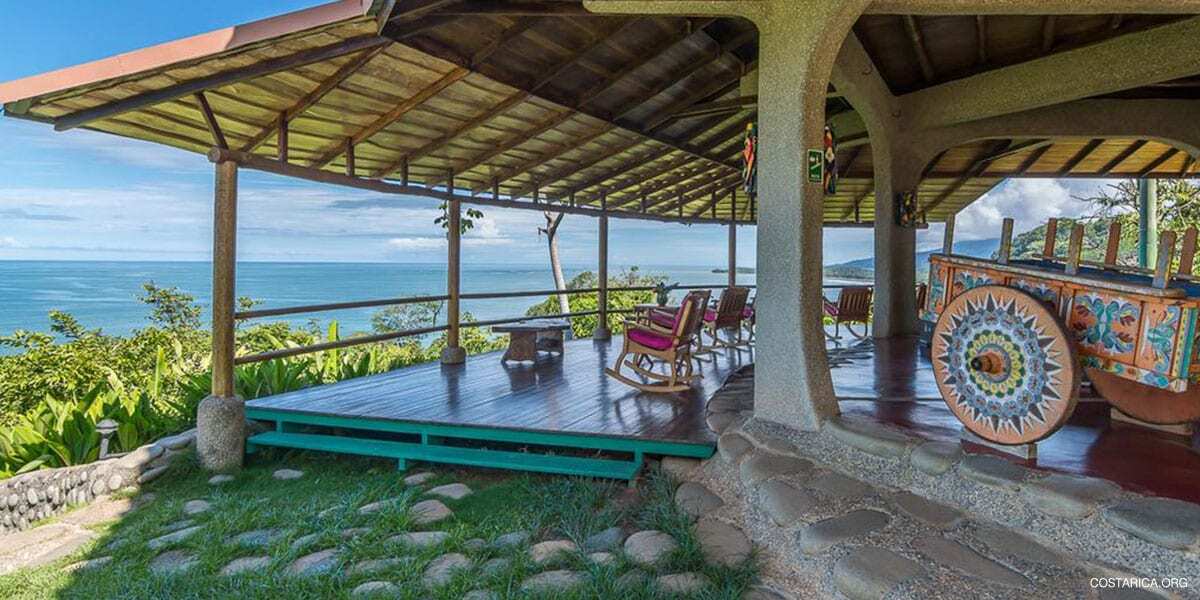 La Cusinga Lodge3.6 km from Marino Ballena National Park (off the map)See the lodge
- 3
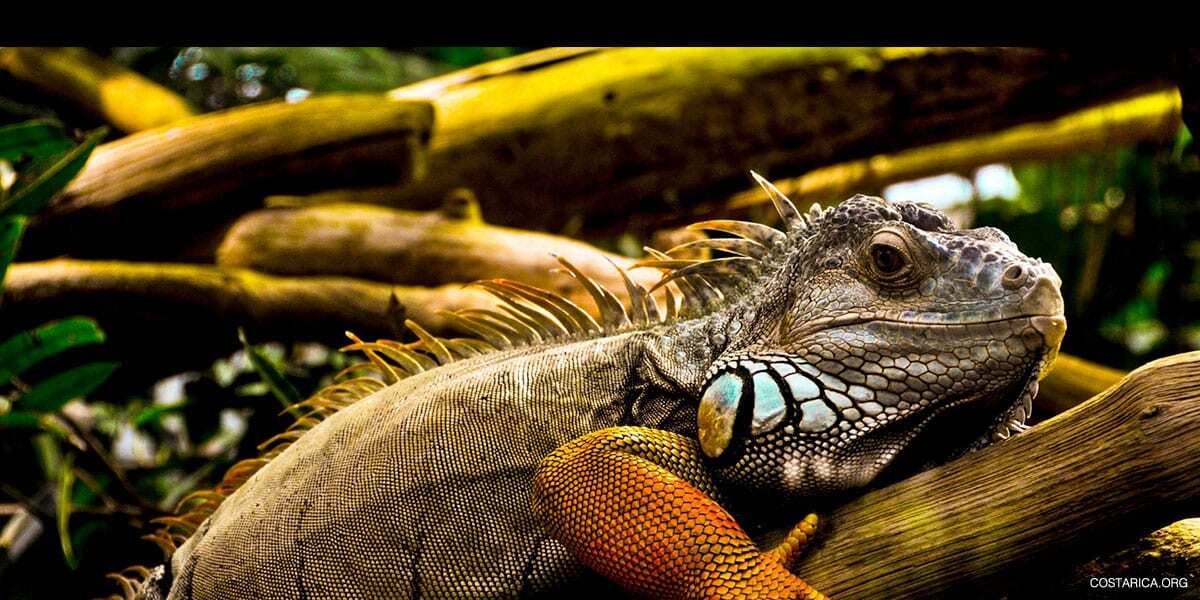 Hacienda Barú Lodge3.8 km from Hacienda Barú National Wildlife Refuge (off the map)See the lodge
- 4
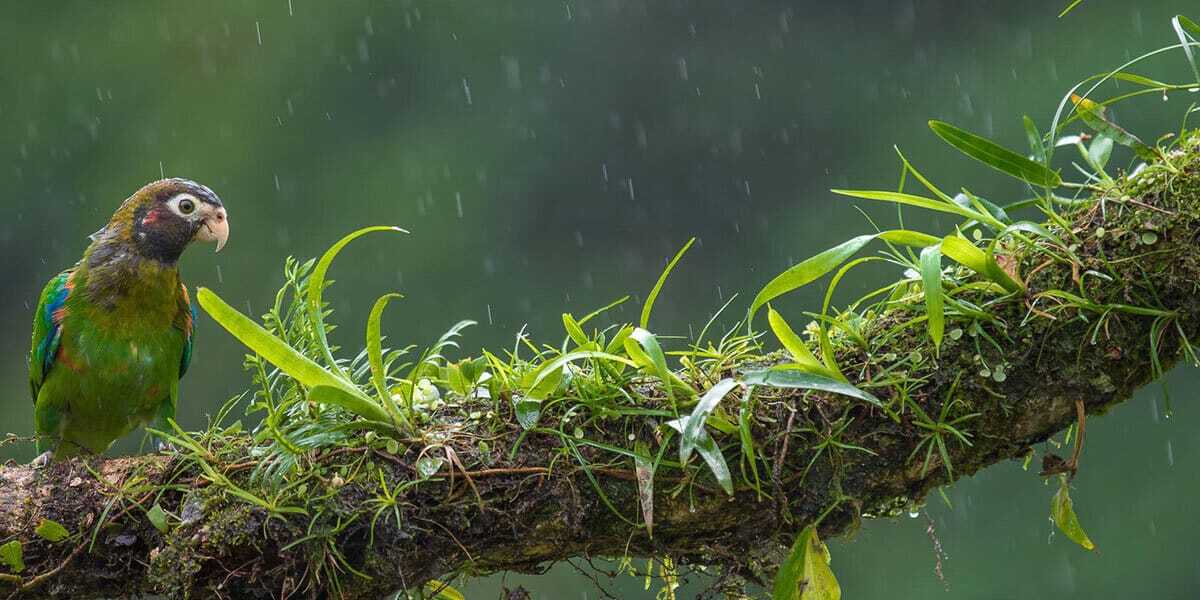 Talari Mountain Lodge9.2 km from Los Cusingos (off the map)See the lodge
- 5
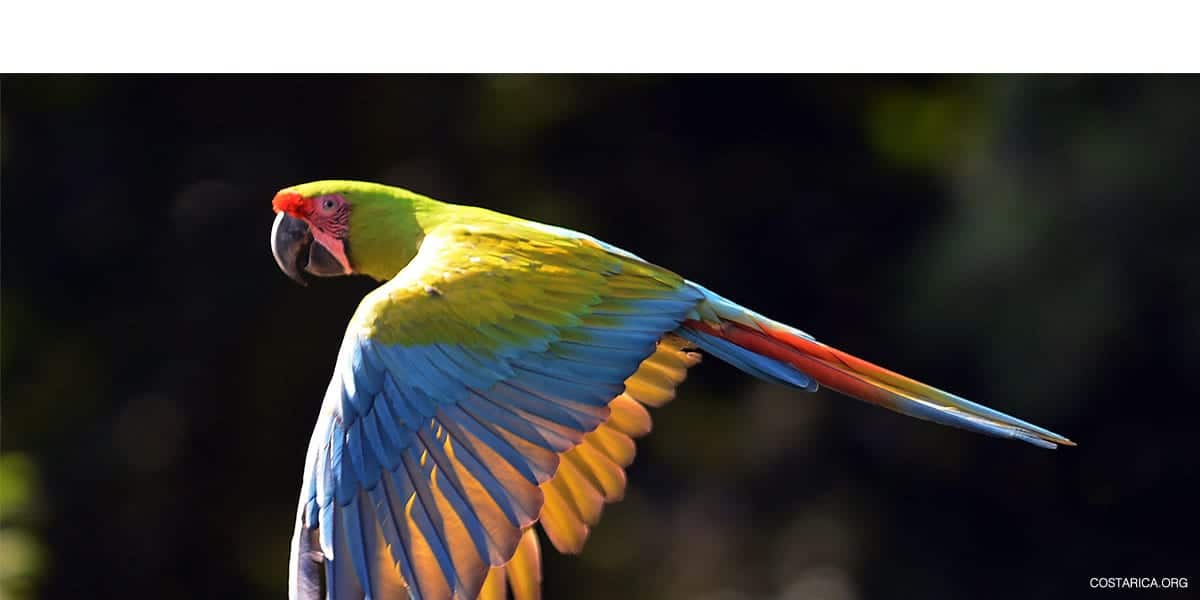 Cerro Lodge3.1 km from Carara National ParkSee the lodge
How to recognise it
About 45 cm, half again the length of a school ruler. Black head, neck and throat, a chestnut collar at the back of the neck, and bare red skin around the eye. Bright yellow below, with a red band across the belly and a black spot in the middle of the breast. The bill settles it: the upper half, the maxilla, is mostly red, with a black ridge along the top, a yellow tip and a greenish base. The female differs only in a darker chestnut collar and a shorter bill. Calls run from a pseep to a sis-sik in series, and it also croaks and gives a soft rattle.
Where it lives
The interior and edges of wet primary and secondary forest. Mostly from sea level to about 1,200 m, sometimes as high as 1,800 m. In Costa Rica, the Pacific slope from the Gulf of Nicoya south.
When to see it
All year. In Costa Rica it nests from January to April, and a pair is often helped at the nest by one or more other adults, some of them likely last season's young.
Trips that find it
- Best of Birding in Costa Rica9 to 10 nightsSee the trip
- Dancing with Quetzals11 nightsSee the trip
- Birding in Costa Rica's Eco-Zones11 nightsSee the trip
- The Southern Highlands and Pacific9 nightsSee the trip
- Nature Birding TourSee the trip
- Costa Rica's Top Birding Spots11 nightsSee the trip
Tell us when you are travelling and our team in Costa Rica builds the trip around the birds you want to see.
Plan my birding tripHow we know this 1 sources, each read on the date shown
- Wikipedia: Fiery-billed aracari read 4 November 2026
https://en.wikipedia.org/wiki/Fiery-billed_aracari