 Great Green Macaw
Family Psittacidae
Great Green Macaw
Ara ambiguus
In Spanish: Guacamayo Verde Mayor (Lapa Verde)
- Resident
Wet Caribbean lowland forest: Sarapiquí, Tortuguero and the far south-east. All year.
No parrot anywhere in its natural range is bigger. In Costa Rica it is the larger and rarer of our two macaws, a bird of the wet Caribbean lowlands, and with the Keel-billed Toucan one of the two birds people come to that side of the country for.
Its life here follows one tree, the almendro, Dipteryx oleifera. It cracks open bigger nuts than the Scarlet Macaw can manage, and where the almendros stand, our guides start looking.
Where to see it
- Hotspot page
- Named place
- Nearby lodge (numbers match the cards)
- Selva Verde, on the Sarapiquí RiverGreat Green Macaw country, with the Sunbittern on the river edges.
- La Selva Biological Station, Sarapiquíone of the two birds we bring people to Sarapiquí for.
- Tirimbina Biological Reserve, Sarapiquífrom the canopy bridge.
- Tortuguero National Park and its canalsin the trees along the water.Not on the map above: it sits too far away to show at this zoom.
- Gandoca-Manzanillo and the Keköldi ridgein the lowland forest of the refuge, near the southern population.Not on the map above: it sits too far away to show at this zoom.
Nearby lodges
Within 20 km of a place on the map, in the same zone.
- 1
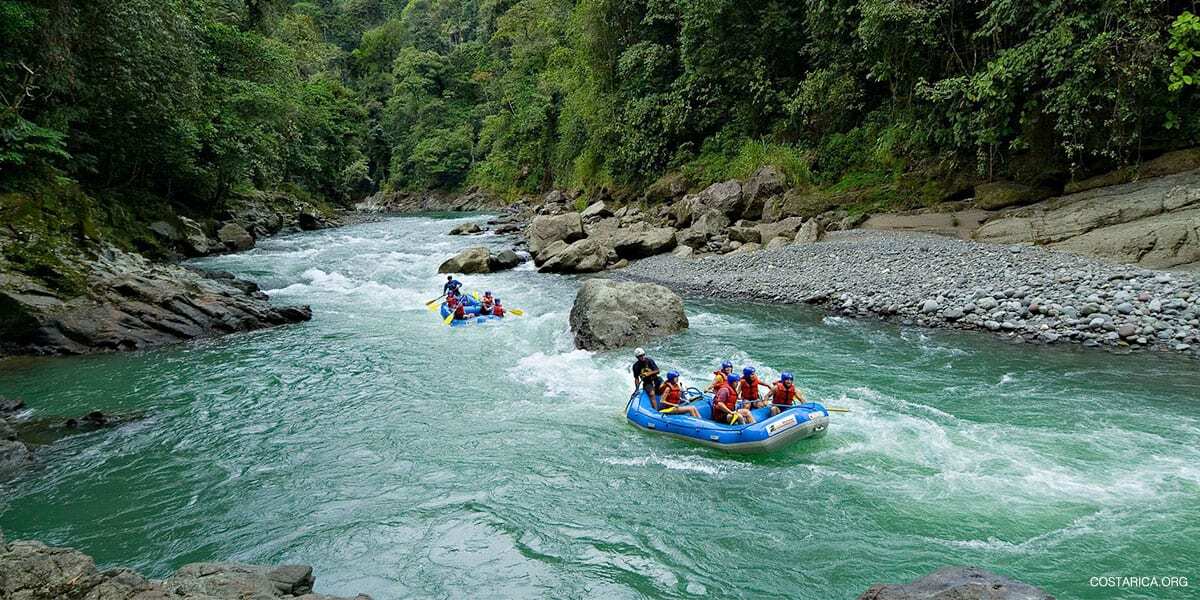 Selva Verde Lodge0.2 km from Selva Verde, on the Sarapiquí RiverSee the lodge
- 2
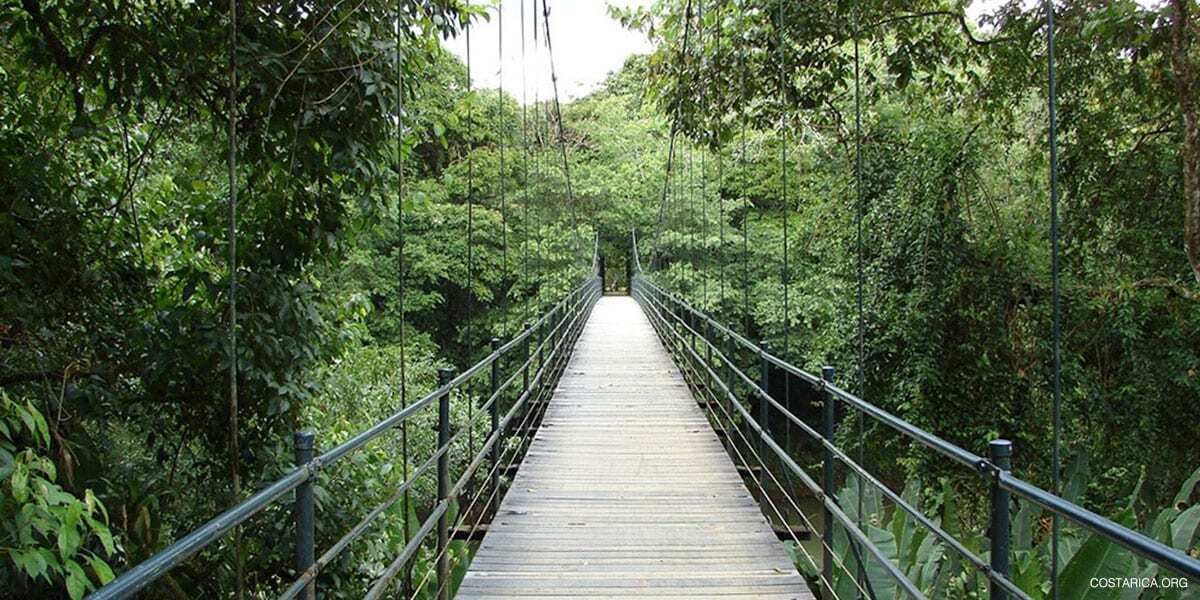 La Selva Biological Station2.2 km from La Selva Biological Station, SarapiquíSee the lodge
- 3
 Pachira Lodge0.0 km from Tortuguero National Park (off the map)See the lodge
- 4
 Laguna Lodge0.0 km from Tortuguero National Park (off the map)See the lodge
- 5
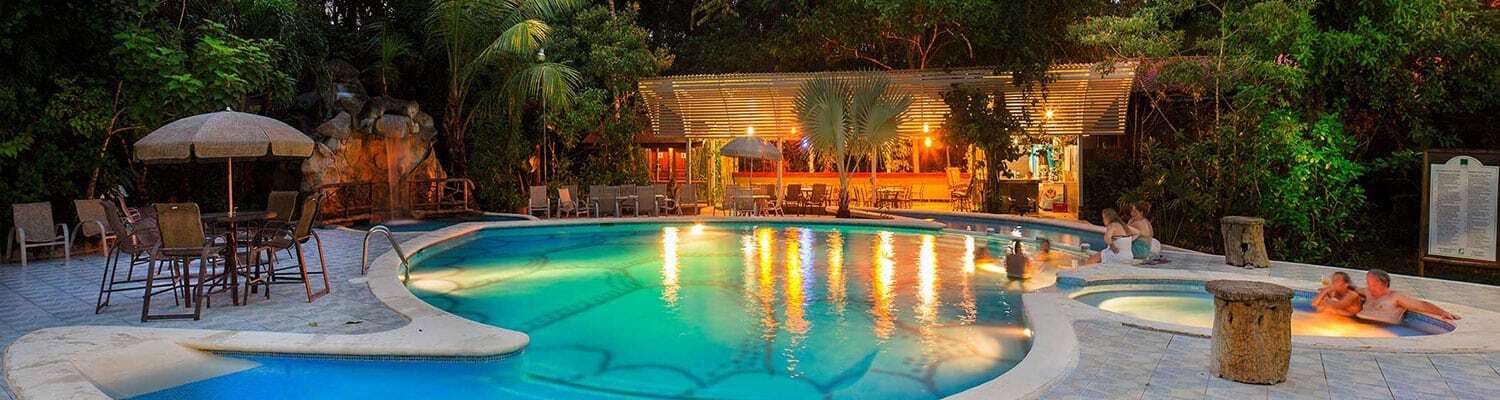 Evergreen Lodge1.1 km from Tortuguero National Park (off the map)See the lodge
How to recognise it
About 85 to 90 cm and about 1.3 kilos, heavier than the Scarlet Macaw.
Mainly green, with a reddish forehead and pale blue on the lower back, rump and upper tail. The tail is brownish red, tipped very pale blue, and on a big green parrot that tail settles it.
Up close, the bare skin of the face carries thin lines of tiny dark feathers, reddish in older birds and in females.
The voice is an extremely loud, raucous aak, raak that carries a great distance. On a still morning in Sarapiquí it is often how a pair is first found.
Where it lives
Very wet lowland forest in the north-east, along the border with Nicaragua, and a second population, known by 2007, in the hills inland near Sixaola and the Panamanian border. During the breeding season it is usually found below 600 metres; afterwards it spreads up to about 1,000.
When to see it
All year. In Costa Rica it breeds from December to June, which is when it keeps to the low ground.
Trips that find it
- Best of Birding in Costa Rica's Caribbean9 nightsSee the trip
- Caribbean Lowlands Birding Tour11 nightsSee the trip
- Dancing with Quetzals11 nightsSee the trip
- Costa Rica's Top Birding Spots11 nightsSee the trip
- Nature Birding TourSee the trip
Tell us when you are travelling and our team in Costa Rica builds the trip around the birds you want to see.
Plan my birding tripHow we know this 1 sources, each read on the date shown
- Wikipedia: Great green macaw read 4 November 2026
https://en.wikipedia.org/wiki/Great_green_macaw