Family Nyctibiidae
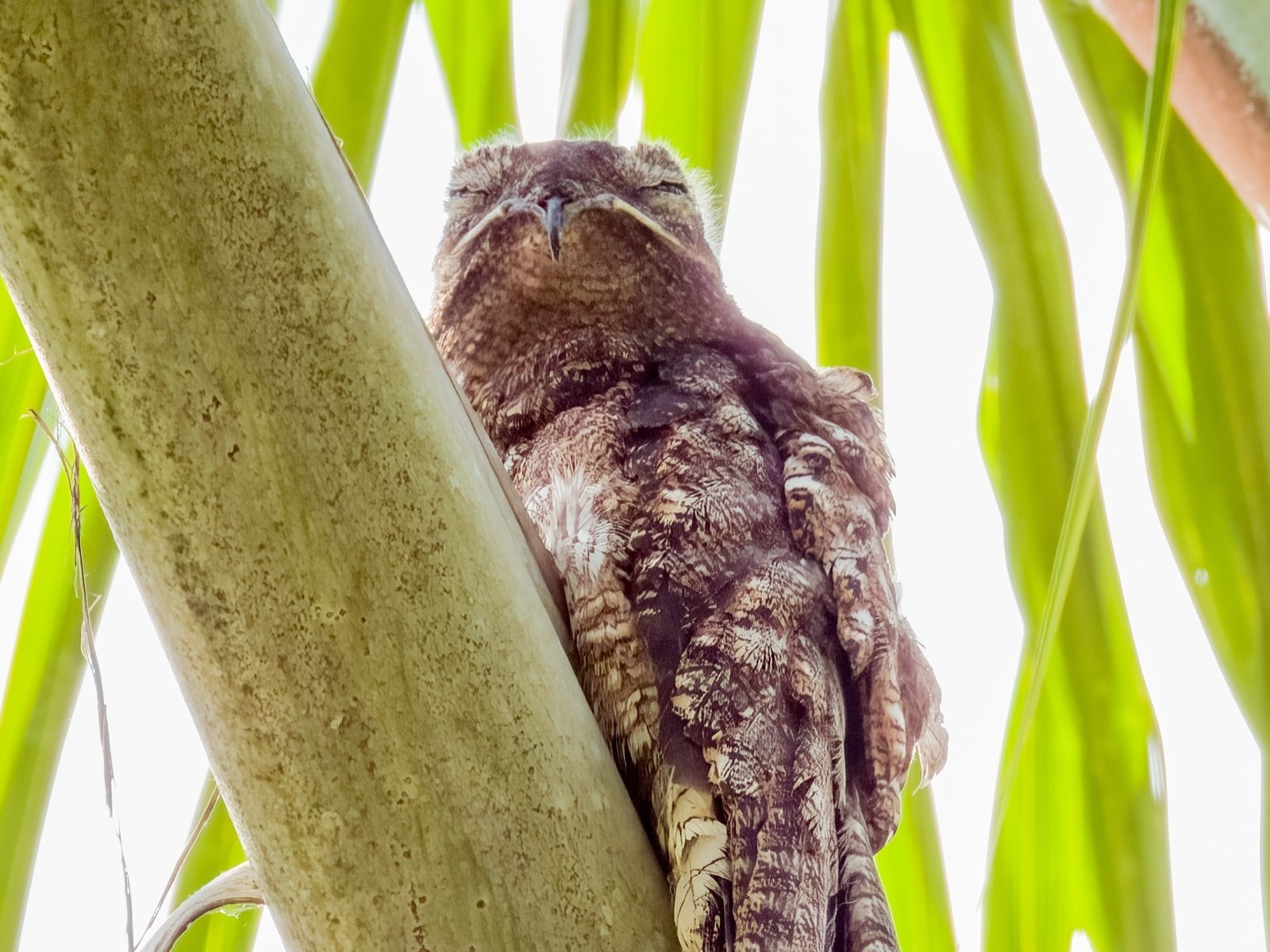
Great Potoo
Nyctibius grandis
In Spanish: Nictibio Grande (Pájaro Estaca, Leona, Bruja)
- Resident
On a dead snag at dusk in Sarapiquí and Tortuguero. All year, with a guide.
That broken stump on the branch may be a bird. By day the Great Potoo perches upright on a stump and holds still, and people pass it by because it looks like part of the wood.
At night it gives itself away twice: a moaning growl that carries through the forest, and eyes that shine back when a light finds them. At Selva Verde, at dusk, it sits on a dead snag, a standing dead tree or branch.
Where to see it
- Hotspot page
- Named place
- Nearby lodge (numbers match the cards)
- Selva Verde, on the Sarapiquí Riverat dusk it sits on a dead snag.
- Tortuguero National Park and its canalson the list for the trees along the water, with the Sunbittern.Not on the map above: it sits too far away to show at this zoom.
Nearby lodges
Within 20 km of a place on the map, in the same zone.
- 1
 Selva Verde Lodge0.2 km from Selva Verde, on the Sarapiquí RiverSee the lodge
- 2
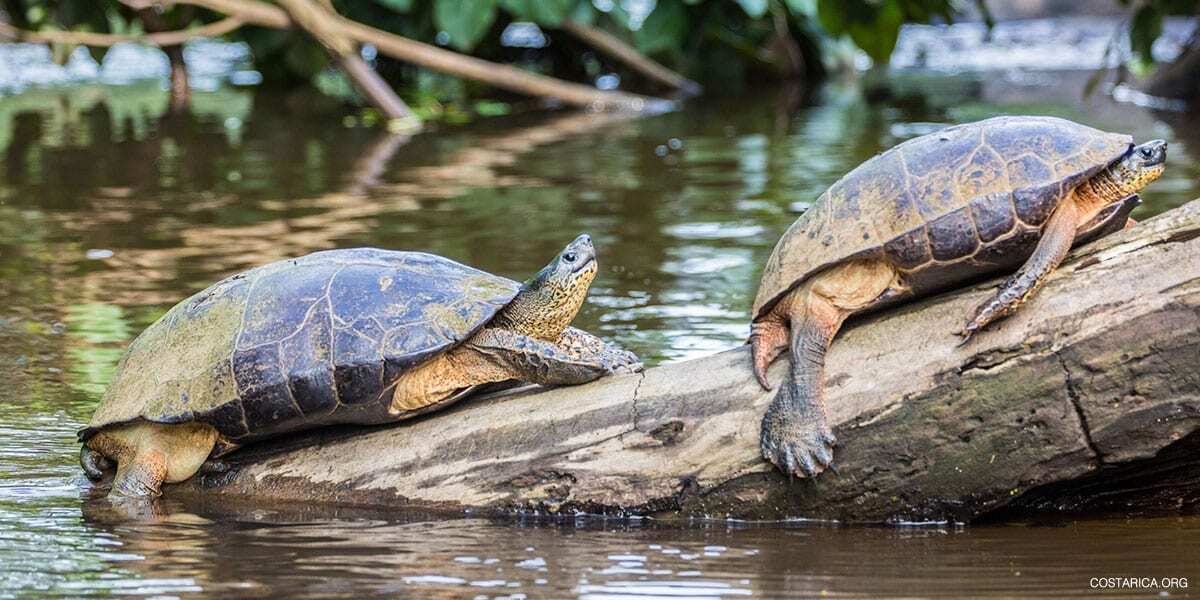 Pachira Lodge0.0 km from Tortuguero National Park (off the map)See the lodge
- 3
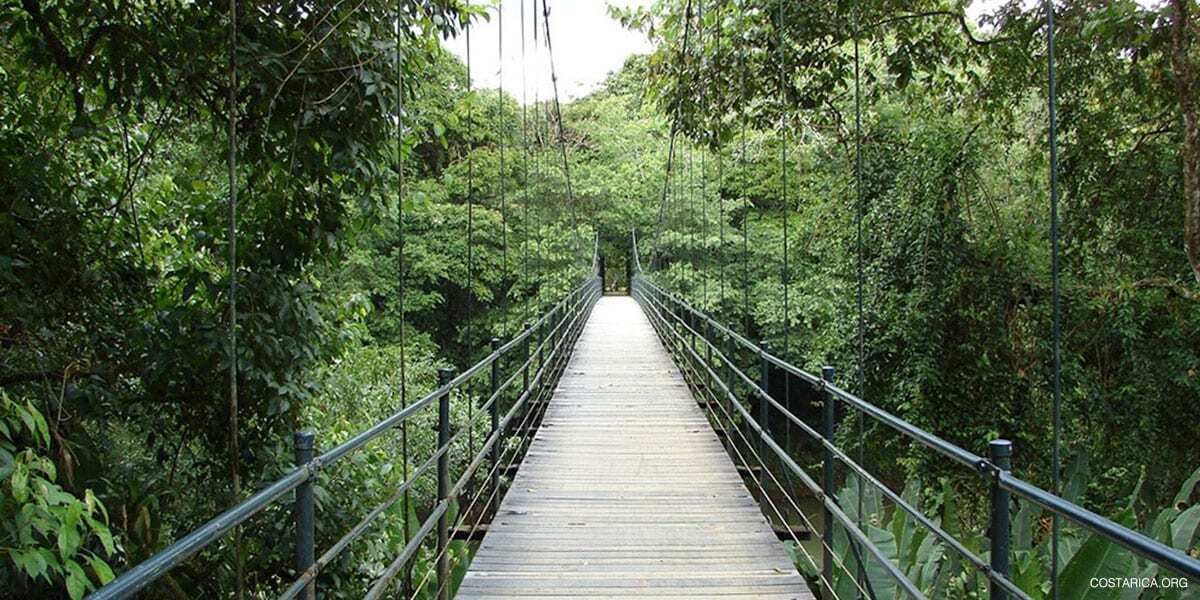 La Selva Biological Station5.8 km from Selva Verde, on the Sarapiquí RiverSee the lodge
- 4
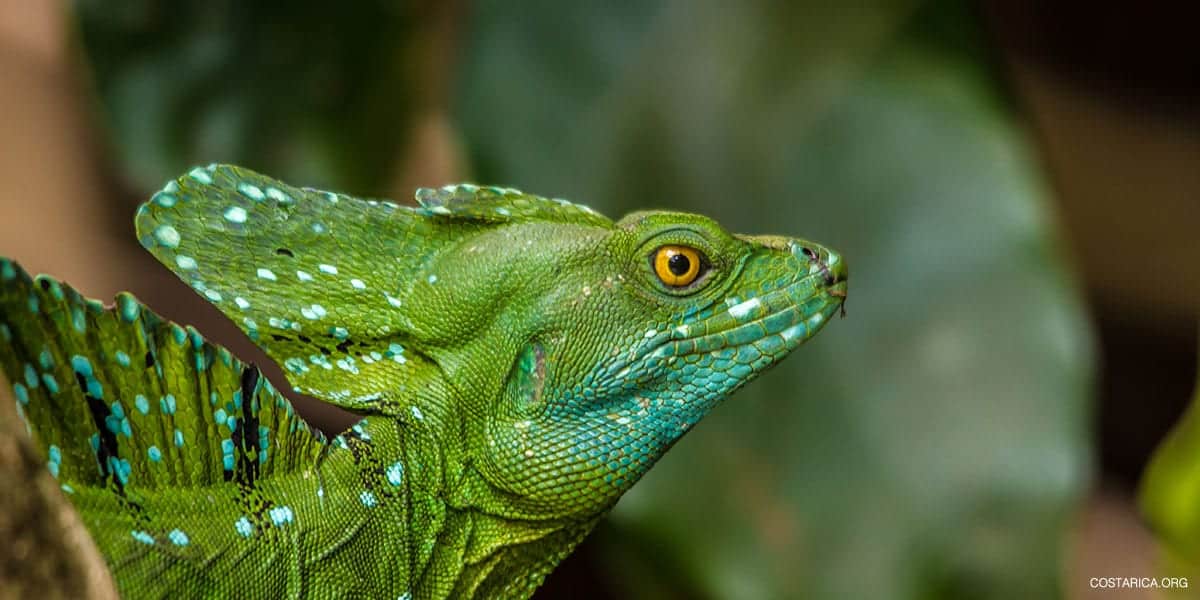 Laguna Lodge0.0 km from Tortuguero National Park (off the map)See the lodge
- 5
 Evergreen Lodge1.1 km from Tortuguero National Park (off the map)See the lodge
How to recognise it
About 48 to 60 cm long, longer than a 30 cm school ruler, and 360 to 650 g. The head is large for the body, the eyes big and dark brown, the bill short but broad. The feathers mix white, grey, black and burgundy. Male and female are not described as different. By day the upright, motionless shape on a stump settles it; at night, the moaning growl and the eyeshine, the glow of its eyes in a flashlight beam. It often hunts from the same perch night after night.
Where it lives
Dense lowland forest, forest edges and clearings, and up into the foothills to about 1,500 m. Our pages place it in the Caribbean lowlands, at Selva Verde on the Sarapiquí River, and at Tortuguero, where it is on the list for the trees along the water.
When to see it
All year, as a resident. Dusk and night are its hours.
Trips that find it
- Best of Birding in Costa Rica's Caribbean9 nightsSee the trip
- Caribbean Lowlands Birding Tour11 nightsSee the trip
- Dancing with Quetzals11 nightsSee the trip
- Costa Rica's Top Birding Spots11 nightsSee the trip
Tell us when you are travelling and our team in Costa Rica builds the trip around the birds you want to see.
Plan my birding tripHow we know this 1 sources, each read on the date shown
- Wikipedia: Great potoo read 4 November 2026
https://en.wikipedia.org/wiki/Great_potoo