Family Trochilidae
Snowcap
Microchera albocoronata
In Spanish: Colibrí Copete de Nieve
- Resident
- Regional endemic
The forest pools below Rancho Naturalista, above Turrialba, in the late afternoon. All year.
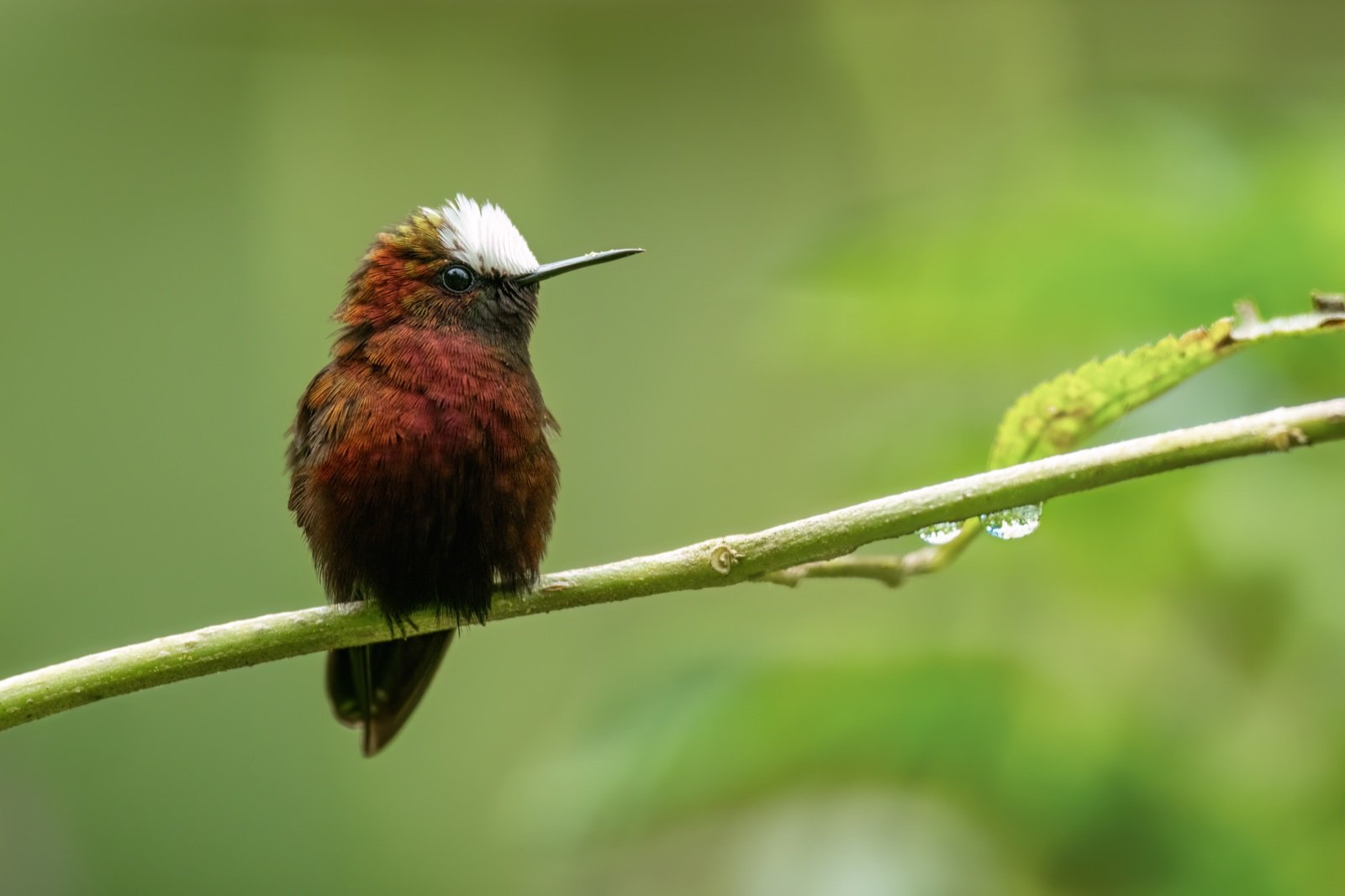
It weighs about 2.7 grams, a little more than a US penny, and it is 6.5 to 7 cm long, about the length of your little finger. The male is dark wine-purple with a white cap, and that cap names him twice: Snowcap in English, albocoronata in the scientific name.
It is the bird people come to the Caribbean Foothills for, and a regional endemic, which means it lives only in this small corner of the world: the Caribbean side of Central America, from southern Honduras to Costa Rica. We take people to Rancho Naturalista, above Turrialba. The balcony feeders start the list at breakfast, but the Snowcap is the afternoon's bird. You walk down through the forest to the pools below the lodge, wait, and it comes in to bathe.
Where to see it
- Hotspot page
- Named place
- Nearby lodge (numbers match the cards)
- Rancho Naturalista's reserve, above Turrialbaat the forest pools below the lodge in the late afternoon, in 125 acres of protected foothill forest with a bird list over 450 species.
Nearby lodges
Within 20 km of a place on the map, in the same zone.
- 1
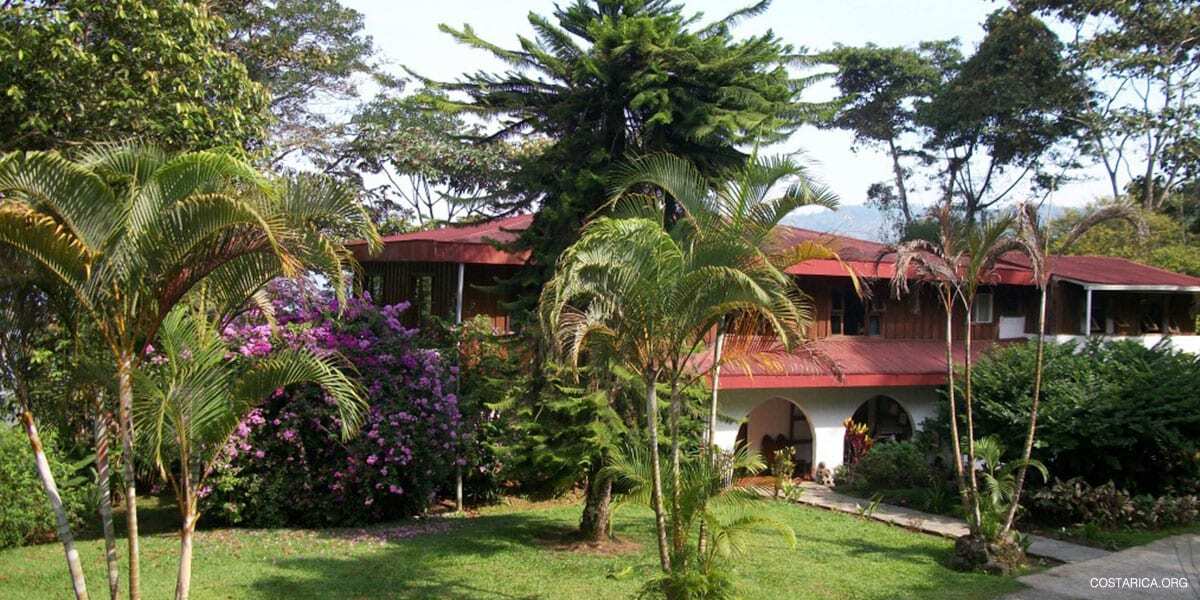 Rancho Naturalista0.2 km from Rancho Naturalista's reserve, above TurrialbaSee the lodge
- 2
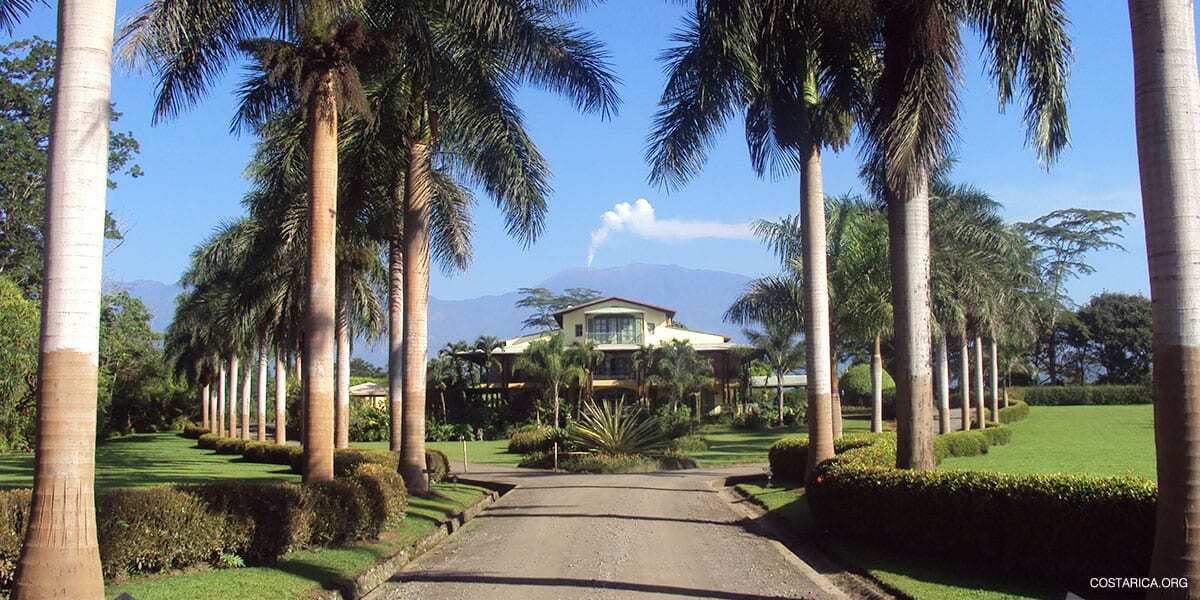 Hotel Casa Turire9.6 km from Rancho Naturalista's reserve, above TurrialbaSee the lodge
How to recognise it
About 7 cm. At that size, noticing it at all is half the work.
The adult male is dark wine-purple with a coppery gloss, and a white forehead and crown. That white cap settles it, and only the male wears it.
The female looks like another bird: metallic green on the back, bronze just above the tail, pale greyish white below, and no cap.
Listen for a soft, high, dry tsip. The song is a soft, sputtering warble. Males sing it from perches at a lek, a display ground where up to six males gather loosely to court the females, chasing each other off between songs.
Where it lives
The Caribbean slope of Central America, from southern Honduras through Nicaragua and Costa Rica, and here locally on the Pacific slope as well. In Costa Rica it breeds mostly between 300 and 800 metres, locally as high as 1,000. It is more often found at openings in the forest and in more open, planted country than deep inside it.
When to see it
All year at Rancho Naturalista, where the pools and the feeders work in every month. In Costa Rica it breeds between January and May, and after breeding most birds move down to lower ground, so knowing where they are this month is part of the guide's job.
Trips that find it
- Best of Birding in Costa Rica's Caribbean9 nightsSee the trip
- Caribbean Lowlands Birding Tour11 nightsSee the trip
- Birding in Costa Rica's Eco-Zones11 nightsSee the trip
Tell us when you are travelling and our team in Costa Rica builds the trip around the birds you want to see.
Plan my birding tripHow we know this 1 sources, each read on the date shown
- Wikipedia: Snowcap read 4 November 2026
https://en.wikipedia.org/wiki/Snowcap