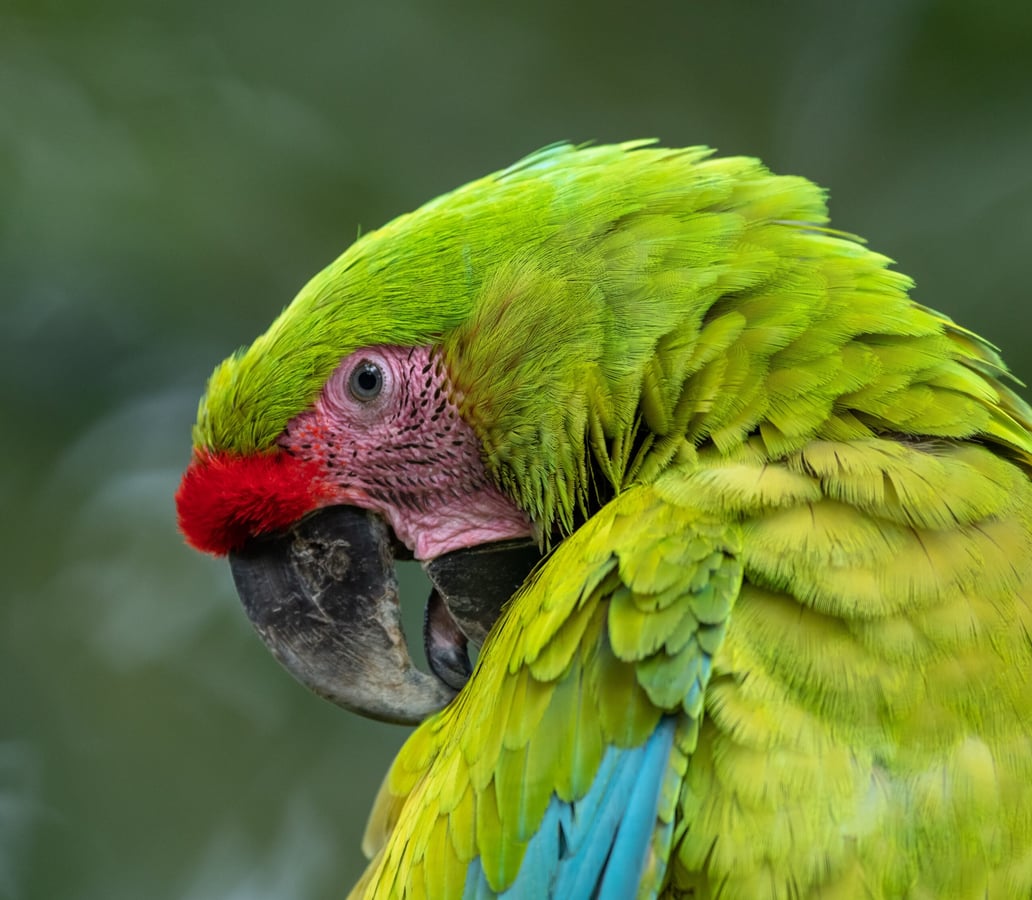
The first time you hear a Great Green Macaw, you hear it before you see it: a pair calling over the Sarapiquí lowlands, then two big green birds with a flash of blue and red crossing the canopy. Fewer than 1,000 adults are left in the wild, by the IUCN's estimate, and most of the ones in Costa Rica live in the northern Caribbean lowlands our birding clients travel through every season.
That is why the Macaw Recovery Network is the first partner story on this site. We became a Silver Partner in November 2026, and after a long call with their team we wanted to tell their story properly.
Who they are
The Macaw Recovery Network is a Costa Rican non-profit, founded in 2018 after nearly a decade of parrot conservation work in the country. Their mission, in their words: "To protect and recover endangered parrot populations in the Americas." They work with three birds: the Great Green Macaw, the Scarlet Macaw and the Yellow-naped Amazon.
Thriving birds
Their breeding center at Punta Islita, on the Nicoya Peninsula, raises macaws for release. They have been involved in releasing nearly 50 Great Green Macaws on the southern Caribbean coast at Manzanillo, and over 174 Scarlet Macaws at Tiskita, Palo Verde, Curú and now Punta Islita. Every year they run a census of the Great Green Macaw with the Centro Científico Tropical.
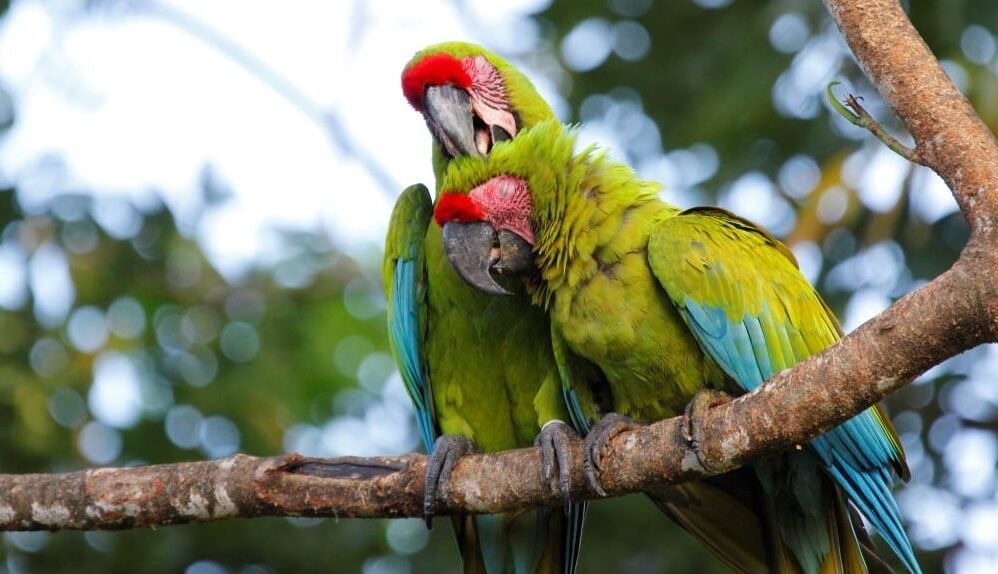 Great Green MacawPhoto: Macaw Recovery Network
Intact habitat
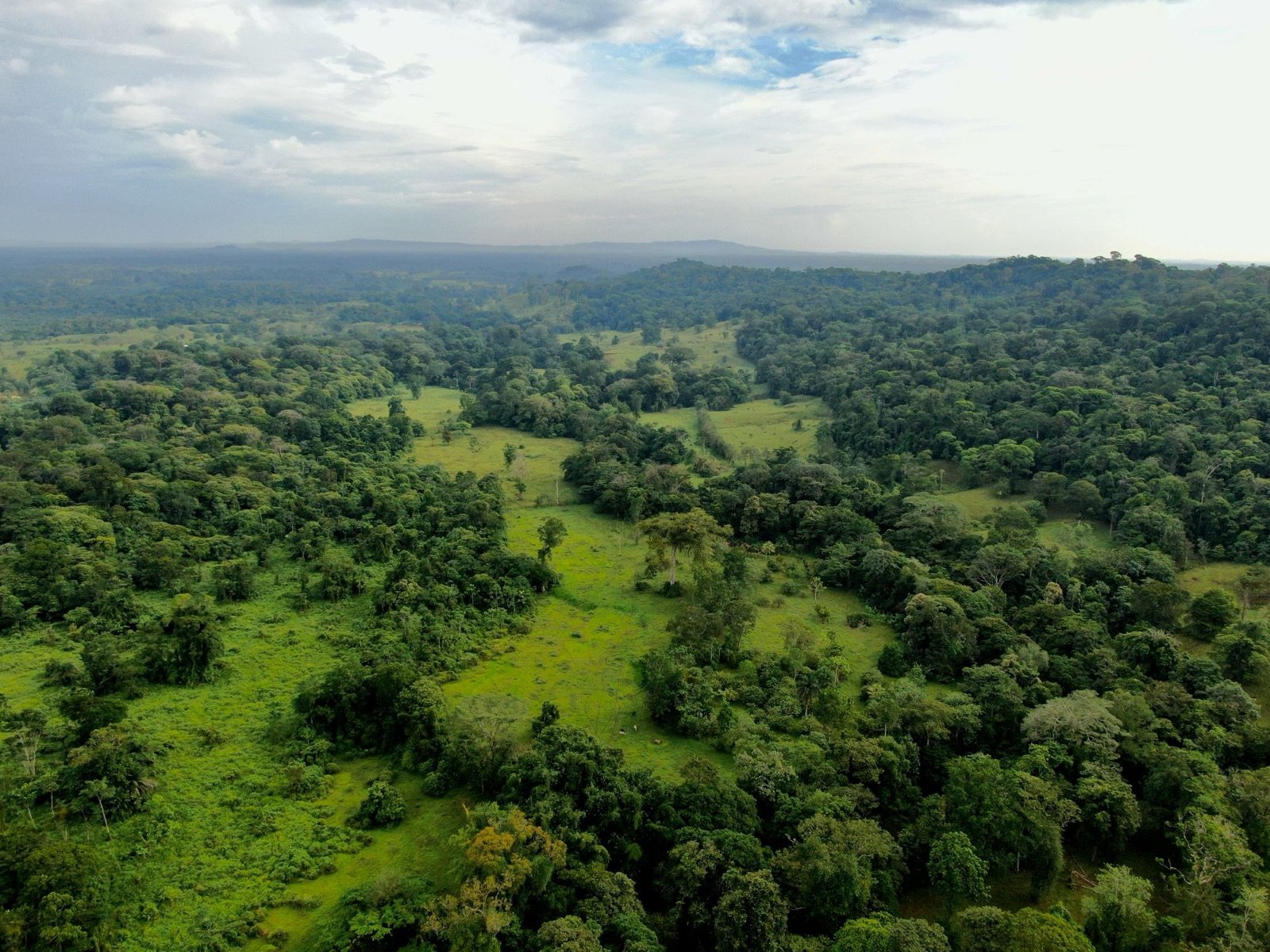
Between 1940 and 1990, Costa Rica lost 54% of its forest cover, mostly because a booming fast-food industry in North America made raising cattle extremely lucrative. Cattle pays less today and more farmers are selling, but the pasture often becomes pineapple or banana plantations, farmed with heavy chemicals and of no use to wildlife.
A Great Green Macaw nests almost only in the Mountain Almond tree, and it can take centuries for one to form a cavity big enough. The Macaw Recovery Network knows of about 100 nest trees in Costa Rica. The tree is protected, but illegal logging is still a threat, and many nest trees now stand in open pasture, which damages them. In 2026 they began working with local landowners to create buffer zones around the trees and help them survive. So saving the bird means saving old trees and planting new ones.
In 2023 they bought their first land, the Sarapiquí Rainforest Reserve in Heredia, where they had found active nests and roosting sites in 2019. A year later they bought the property next door, and the reserve is now 411 hectares, just over 1,000 acres. Their nursery has germinated nearly 3,000 Mountain Almond seeds.
Unified communities: the Women Rangers
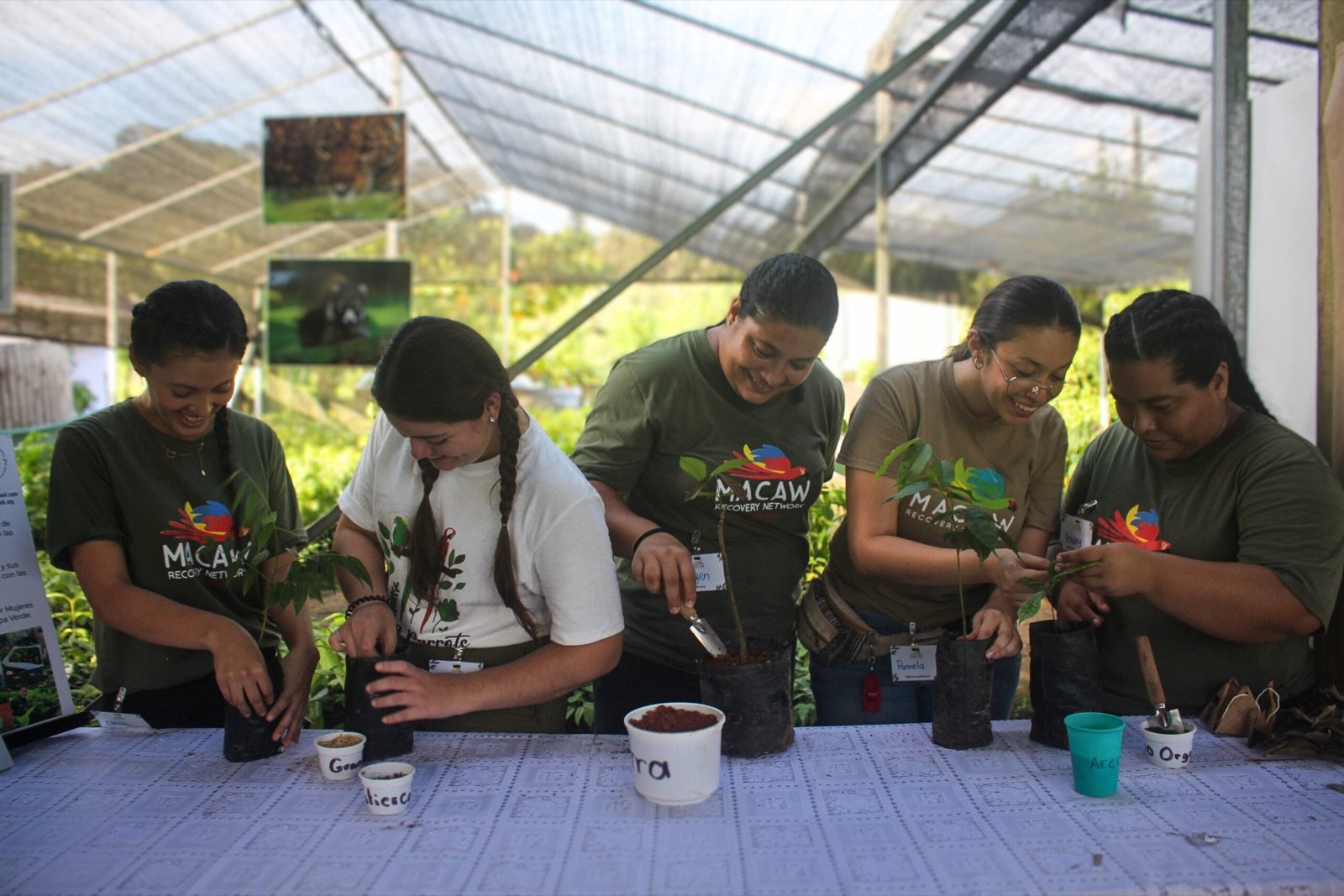
In Boca Tapada, a small group of local women began as a three-month project and became the Women Rangers. They restore the Sarapiquí reserve, and in 2022 they built Casa del Titor, a native plant nursery where over 1,000 different plant species are germinated. They partner with local restoration projects, teach macaw-friendly land practices, and work with local teens in the nursery, which builds a community around conservation.
See it on your trip
At the Punta Islita Wild Macaw Reserve you can watch free-flying Scarlet Macaws with their guides, on a one-hour tour or a two-hour photography morning. Book at least 24 hours ahead. The breeding center itself is closed to visitors, which is how it should be. If you would like Punta Islita or the Sarapiquí lowlands on your trip, tell us when you plan and we will build the days around it.
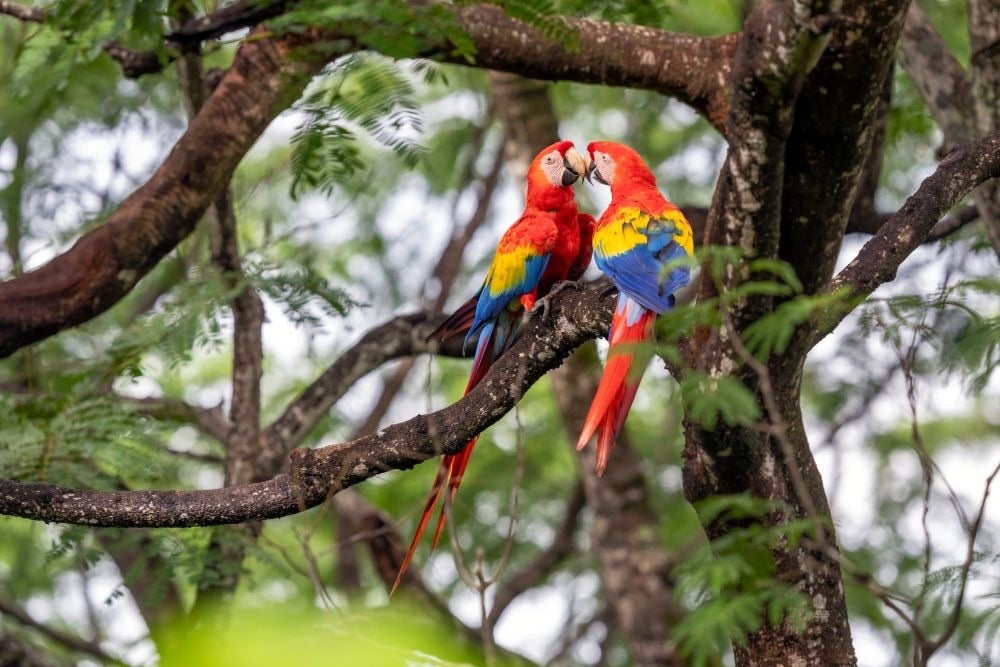 Scarlet MacawPhoto: David Pattyn
Help directly
Every gift goes straight to them, not through us.
- Adopt: a Mountain Almond tree, a released macaw pair, the Women Rangers or a breeding macaw, each with a certificate and photos: Adopt a macaw
- Volunteer: at Punta Islita or in Sarapiquí, usually for a month or more: Volunteer with MRN
In the US, gifts to the Macaw Recovery Network and the Wildlife Conservation Network are tax deductible, both being 501(c)(3) organisations, as their donate page explains.
Why we support them
When I spoke with Aubrey from the Macaw Recovery Network, I was in shock at how few Great Green Macaws are left. Everyone talks about the jaguar. Hardly anyone talks about this bird. They can live 30 to 50 years in the wild, they are smart, and they mate for life. To me they are one of the most remarkable birds in Costa Rica, and I am proud that we sponsor the people bringing them back.
Jason Bateman, founder, My Costa Rica
We are a Silver Partner of the Macaw Recovery Network.
Photos: Macaw Recovery Network, used with permission. Scarlet Macaws by David Pattyn.
Read more: The Great Green Macaw · The Scarlet Macaw · Our conservation partners