Las Cruces is a working research station, and that is why a birder stays. The Organization for Tropical Studies runs it near San Vito, close to the Panama border, at about 1,200 metres, and its bird list has registered 410 species, which OTS puts at close to half the country's.
The station protects more than 200 hectares of primary forest and about 150 more that are growing back, with the Wilson Botanical Garden, founded in 1962, in the middle of it. In 1983 UNESCO made the station and the garden part of La Amistad Biosphere Reserve.
You eat at set times with the scientists and students, and the guides are biologists or naturalists. On a single day in May 2020 the station's naturalist guide counted 151 species along the Gamboa and Ridge trails and the roads round the station.
At a glance
- Elevation
- about 1,200 metres
- Habitat
- mid-elevation primary forest, recovering forest, a 10-hectare botanical garden, forest patches among farms
Birding on the property
The garden is 10 hectares of palms, heliconias, gingers and bromeliads, one of the largest palm collections in the world, and it sits inside the station's forest, so a birder moves from flowering garden to forest edge to primary forest on foot. The Gamboa and Ridge trails run through primary and secondary forest. OTS describes the reserve as surrounded by a mix of farm fields and forest patches, which is the landscape its scientists study. Mornings start early, and dinner is with whoever is doing research that week.
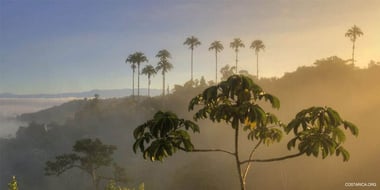
Photo: Las Cruces Biological Station
San Vito
A 4.5 hours drive away from San Jose
★★★
The Organization for Tropical Studies' research station near San Vito, close to the Panama border and home to the Wilson Botanical Garden, where the guides are biologists or naturalists. Meals are at set times with the scientists and students, a private deck looks over the gardens, and it is four and a half hours' drive from San José.
Plan a trip with this lodge
The birds to look for
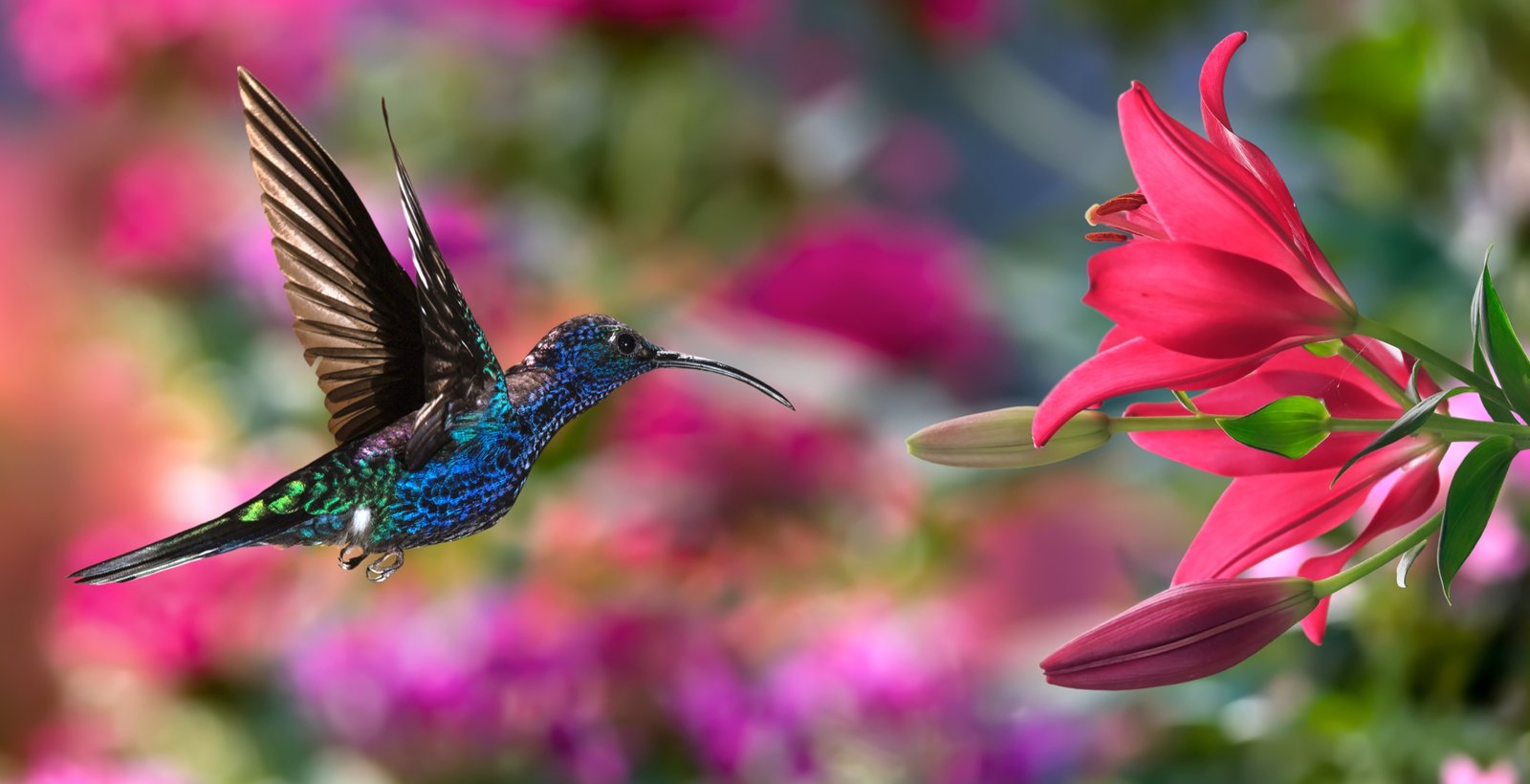
In the garden and at its edges, the birds OTS's own people name at Las Cruces: the White-throated Thrush, the White-breasted Wood-Wren and the Chestnut-capped Warbler (your field guide may still call it Rufous-capped Warbler), with the Rufous-tailed Hummingbird, the Scaly-breasted Hummingbird and the Violet Sabrewing at the flowers.
On the trails and in the canopy, from the station's 2020 Big Day count: Scarlet-thighed Dacnis, Silver-throated Tanager, Speckled Tanager, White-ruffed Manakin, Slaty-tailed Trogon and Yellow-throated Toucan.
| English | Scientific | Spanish | Status |
|---|
| White-throated Thrush | Turdus assimilis | Mirlo Gorgiblanco | |
| White-breasted Wood-Wren | Henicorhina leucosticta | Soterré de Selva Pechiblanco | |
| Chestnut-capped Warbler | Basileuterus delattrii | Reinita Cabecicastaña | |
| Rufous-tailed Hummingbird | Amazilia tzacatl | Colibrí Rabirrufo | |
| Scaly-breasted Hummingbird | Phaeochroa cuvierii | Colibrí Pechiescamado | |
| Violet Sabrewing | Campylopterus hemileucurus | Ala de Sable Violáceo | |
| Scarlet-thighed Dacnis | Dacnis venusta | Mielero Celeste y Negro | |
| Silver-throated Tanager | Tangara icterocephala | Tangara Dorada | |
| Speckled Tanager | Ixothraupis guttata | Tangara Moteada | |
| White-ruffed Manakin | Corapipo altera | Saltarín Gorgiblanco | |
| Slaty-tailed Trogon | Trogon massena | Trogón Coliplomizo | |
| Yellow-throated Toucan | Ramphastos ambiguus | Tucán Pico Castaño | |
Staying at Las Cruces Biological Station
This is a field station first and a lodge second, and that is its charm. The rooms are lodge style, built of bamboo and wood, each with a private bathroom and a private deck over the botanical garden, so the garden's plant collection is your view from the chair outside the door. Meals are in a shared dining room with the researchers and student groups who are on site, which makes for good conversation about whatever you saw that morning. Days run on the garden trails with naturalist guides, often biologists who know the plants by name, and evenings are quiet and early.
Rooms
- Lodge-style room: bamboo and wood, private bathroom, private deck over the Wilson Botanical Garden. Beds and occupancy not confirmed.
Meals. shared dining room at the station. Meal plan not confirmed (see To verify).
Good to know
- A research and teaching station: student groups may be on site.
- Far south, near the Panama border; plan it as a stop on a longer southern route.
- Children under 5 share with parents (search excerpt only).
Perfect for: a curious traveler who wants to talk plants and birds with the people who study them.
Hotspot pages near the lodge
Trips that stay here
No fixed trip stays here yet; we build it into a custom trip.
Want to add a luxury stay to your trip? See every hotel we represent on CostaRica.Org (opens in a new window). We plan birding lodges and beach resorts in one trip.
Which of these fit your list?
Tell us the birds you want, your dates and how you like to travel, and we will come back with a first itinerary: the lodges in the right order and how many nights each one really needs. That first version is just a place to start.
Plan my birding trip
Or call us: 1 (800) 996-1139 from the US and Canada, +506 4052-2140 in Costa Rica.